The Promised Land (TV Series)
2024~
Genres
Director
Mitch Hudson
Stars
Wasim No’mani, Shereen Khan, Majed Sayess
A mockumentary-style workplace comedy following Moses and the Israelites as they navigate the bickering and chaotic daily challenges of the Exodus wilderness.
When Moses Meets Michael Scott: A Biblical Deep Dive into The Promised Land
📊 Ratings
| Platform | Rating | Notes |
|---|---|---|
| 🎞️ IMDb | 8.8/10 | Based on 1K+ user ratings. Consistently high scores across episodes, with Episode 6 (“Presence”) achieving 9.9/10 |
| 🎦 Meta Critic | Not Yet Rated | No official critic consensus yet. Series’ platform exclusivity slows mainstream critical aggregation |
| 🍿 Rotten Tomatoes | Not Yet Rated | Important: The 96% “Fresh” rating often cited belongs to the 2023 Danish film starring Mads Mikkelsen. Distinct from Angel Studios series |
| 👨👩👧 PluggedIn | Cautioned | Highlights irreverence and “crude sense of humor” regarding bodily functions and biblical violence. Advises parental guidance despite faith-based origin |
| 📺 Common Sense | TV-14 | Rated for thematic elements, stylized violence, and dialogue involving biblical law |
| 👼 Angel Guild | 8.8/10 | High enthusiasm within core faith-based demographic. Verified Angel Guild member reviews |
| 🤩 AI Theological Complexity Rating | 8/10 | Surprisingly deep. While comedy keeps things accessible, the show wrestles with substantive themes: God’s sovereignty, leadership under pressure, grace for imperfect vessels, the cost of holiness, and covenant faithfulness. Not systematic theology, but theologically engaged storytelling that respects Scripture while humanizing its heroes. |
📊 Review Summary
If the history of biblical adaptation were a dinner party, The Ten Commandments (1956) would be the dignified grandfather at the head of the table, booming in baritone about justice and thunder. The Prince of Egypt (1998) would be the artistic cousin, singing beautifully about deliverance. The Chosen would be the empathetic sibling, sitting close and asking how your heart is doing.
And then, crashing through the screen door with a half-eaten cheeseburger and a complaint about the humidity, comes The Promised Land.
| Concern | Level | Notes |
|---|---|---|
| Average Rating | Excellent (8.8/10) | Strong approval from Christian and secular viewers. Episode 6 achieves near-perfect 9.9/10 |
| Violence | Minimal | No graphic violence shown. Battle references occur off-screen. Joshua threatens trespassers comedically. Plagues mentioned but stylized |
| Language | Clean | Zero profanity. No taking God’s name in vain. Biblical euphemisms present |
| Drug Use | None | No alcohol or substance content |
| Explicit Content | Minimal | Biblical references to consecration, menstruation laws, circumcision handled comedically but appropriately for TV-14 |
| Crude Humor | Moderate | Jokes about bodily functions, desert hygiene, manna complaints. All biblically grounded but potentially awkward for families |
| Spiritual Messaging | Strongly Positive | God revered. Scripture honored. People humanized. Grace emphasized. Covenant faithfulness celebrated |
| Verdict | Highly Recommended | A fresh, faithful, genuinely funny take on Exodus. Watch with Bible in one hand, sense of humor in the other |
🎬 The Promised Land in a Nutshell
🔤 Title: The Promised Land
🎬 Creator(s): Mitch Hudson (Writer/Director, The Chosen Assistant Director)
📺 Genre: Biblical Mockumentary, Workplace Comedy
🔢 Number of Episodes: 6 (Season 1)
⏱️ Average Runtime: 20-25 minutes
📅 Release: July 2024 – October 2025
⭐ Rating: TV-14
🎭 Stars: Wasim No’mani (Moses), Shereen Khan (Miriam), Majed Sayess (Aaron), Brad Culver (Korah), Dav Coretti (Chisisi), Tryphena Wade (Zipporah), Artoun Nazareth (Joshua)
🏢 Production: Studio 523, Milk and Honey (independently financed)
🌐 Where to Watch: YouTube (Free), Angel Studios App
🌟 Overview
The Cultural Earthquake
Produced by Angel Studios and created by Mitch Hudson—an alumnus of The Chosen‘s production team—The Promised Land represents a seismic shift in faith-based media. It asks a question few have dared to articulate: What if the Exodus wasn’t just a spiritual journey, but a logistical nightmare?
What if the “grumbling” of the Israelites looked less like operatic rebellion and more like the petty bickering of a modern open-plan office?
The result is a mockumentary sitcom that combines The Office and the Book of Exodus. The “workplace” is the Wilderness of Sin. The “regional manager” is a neurotic, stuttering Moses. The “corporate headquarters” is a Pillar of Fire that occasionally descends to incinerate the disobedient.
What Reviewers Are Saying
The critical response has been overwhelmingly positive within faith circles, with some fascinating outliers.
Movieguide praises: “The series has a strong biblical, moral worldview with positive references to God. Writer/Director Mitch Hudson stays faithful and respectful to the source material while incorporating the story’s more light-hearted side.”
The Collision observes: “God is holy, but the people who follow him are not. Therein lies the potential for plenty of good-natured humor.”
Dallas Jenkins, creator of The Chosen, endorses it: “A mockumentary portraying Moses and the Israelites? And it’s actually good and faithful? The world needs a show like this. Seriously.”
However, not everyone applauds. The Berean Call criticizes the show as “slanderous toward Moses” and a “mockery of truth,” viewing the comedic framing as inherently disrespectful to Scripture.
The Core Tension: Sanctity vs. Slapstick
Can you honor Scripture while making people laugh?
The Promised Land gambles everything on answering yes. The show’s philosophy, stated plainly on its website: “We believe Scripture is full of real people with real problems. Our goal? To humanize the heroes, laugh at the absurd, and bring a fresh voice to stories that are thousands of years old but still relevant.”
The humor is rarely directed at Yahweh. It’s directed at the “stiff-necked people” who, despite witnessing the Red Sea part, are primarily concerned with the lack of onions and the sandy sleeping arrangements.
By framing the Exodus as a “fledgling start-up” characterized by chaos, imposter syndrome, and HR nightmares, the show offers a fresh, witty, and surprisingly poignant look at one of the Bible’s most foundational narratives.
It suggests that the miracle wasn’t just God getting people out of Egypt. The miracle was that He didn’t kill them all on the way to Canaan.
🎬 Plot Synopsis
The Premise: Exodus as a Start-Up
“Fresh out of Egypt,” the synopsis reads, “Moses and the Hebrews adjust to freedom—with all the chaos of a fledgling start-up.”
This metaphor drives everything. In business, a start-up means high vision, low resources, and a team making it up as they go. In The Promised Land, the “Vision” is the Covenant. The “Resources” are manna and quail. The “Team” is a ragtag group of former slaves who have no idea how to be a nation.
The show picks up roughly two months after crossing the Red Sea. The Egyptian army is dead. But the memory of the lash is fresh. The adrenaline of miracles has worn off, replaced by the crushing boredom of walking in circles.
The Aesthetic: The Office Meets Sinai
Visually, the show commits fully to mockumentary format. The camera is handheld, often shaky. It zooms in quickly on characters’ faces to catch non-verbal reactions—a raised eyebrow from Zipporah, a panicked glance from Aaron.
Characters frequently break the fourth wall, staring directly into the lens seeking audience sympathy. “Confessional” segments show characters sitting in a tent, venting private frustrations to the documentary crew. This creates dramatic irony between public piety and private doubt.
The Cast: Biblical Characters as Office Archetypes
The strength of any sitcom lies in its ensemble. The Promised Land has brilliantly mapped biblical figures onto modern workplace personas:
Moses (Wasim No’mani): The Overwhelmed CEO
Far from Charlton Heston’s granite jaw, No’mani’s Moses is riddled with anxiety. He stutters. He second-guesses God’s directions. He’s deeply humble (Numbers 12:3) but also deeply tired. He views his rod not just as an instrument of power, but as a burden he must carry. The “reluctant leader” personified, constantly checking with “home office” (God) and getting silence—or terrifying instructions—in return.
Aaron (Majed Sayess): The People-Pleasing PR Director
Aaron is the charismatic face of operations. While Moses struggles with public speaking, Aaron loves the microphone. However, the show leans heavily into his biblical weakness: his inability to say “no” to the crowd. He’s desperate to be liked, a flaw expertly foreshadowing the Golden Calf disaster.
Miriam (Shereen Khan): The Frustrated Middle Manager
Miriam is competent, fierce, and faithful—and she knows it. The show explores her struggle with the patriarchal camp structure. She’s a prophetess (Exodus 15:20) who feels sidelined by her brothers. Her storyline revolves around asserting authority in a system that overlooks her, foreshadowing her eventual rebellion in Numbers 12.
Zipporah (Tryphena Wade): The Pragmatic Outsider
Moses’ Midianite wife serves as audience surrogate. Because she didn’t grow up in Egyptian slavery, she views Hebrew neuroses with a critical eye. She’s grounded, tough, and often the only one talking sense. Her “outsider” status creates tension with Miriam while her relationship with Moses provides emotional stability.
Joshua (Artoun Nazareth): The Zealot Intern
Joshua is young, intense, and takes his job way too seriously. He’s the “Dwight Schrute” of the camp—obsessed with security, fiercely loyal to Moses, and lacking social grace. He views every minor infraction as a threat to national security. His evolution from awkward assistant to warrior is a key season arc.
Chisisi (Dav Coretti): The Comedy Relief / “Mixed Multitude”
A pure invention of the show, Chisisi is an Egyptian soldier who got swept up in the Exodus and is now pretending to be Hebrew to survive. He represents the “mixed multitude” (Exodus 12:38). He’s a bumbling survivor, constantly terrified his true identity will be revealed. The show plays on his pagan perspective to explore common misconceptions about monotheism.
Korah (Brad Culver): The Office Politician
Slick, wealthy, and critical, Korah is the antagonist-in-waiting. He represents “loyal opposition,” constantly undermining Moses’ authority with logical arguments appealing to people’s comfort. He’s the guy questioning management in every meeting, sowing seeds of rebellion recorded in Numbers 16.
🔍 Episodes & Biblical Analysis
Episode 1: “Pilot” – The Complaints Department
📖 Biblical Text: Exodus 18; Exodus 4:24-26
Synopsis:
The series opens in the thick of “start-up” phase. Moses is drowning in litigation, spending days settling disputes over goats and property lines. Jethro, his father-in-law, arrives with Zipporah and Moses’ sons. Seeing Moses’ exhaustion, Jethro imparts the first lesson of corporate management: delegation.
Meanwhile, Chisisi tries to learn Hebrew slang to blend in. Miriam clashes with Zipporah over cultural norms. The pilot establishes tone brilliantly—sacred and silly, reverent and relatable.
Biblical Analysis: The Jethro Principle
The episode faithfully adapts Exodus 18:13-27. The Bible records that Moses met with the people from morning till evening daily. Jethro’s intervention is biblical basis for the show’s “overwhelmed manager” trope.
The show uses this to deconstruct the “Messiah Complex.” Moses believes he must do everything because he alone has the connection to God. Jethro’s advice to appoint “chiefs of thousands, of hundreds, of fifties, and of tens” is literally creating a bureaucracy. The comedy highlights that even prophets need middle management.
This isn’t just ancient history. It’s timeless wisdom about leadership, boundaries, and trusting others. 1 Corinthians 12:12-27 echoes this: the body has many members, each essential. No one can do it all alone.
Creative Liberty: The Bridegroom of Blood
The episode tackles one of Torah’s strangest passages: Exodus 4:24-26, where God seeks to kill Moses at a lodging place, and Zipporah saves him by circumcising their son.
The Joke: Characters reference this event with awkward horror. Moses recounts Zipporah touching the foreskin to his feet/genitals. The scene plays as cringe comedy—uncomfortable, visceral, bizarre.
The Theology: But there’s serious depth here. GotQuestions.org explains that God threatened Moses because he’d failed to circumcise his son—directly violating the Abrahamic covenant (Genesis 17:10-14).
Why so serious? Crossway’s ESV Expository Commentary notes the painful irony: “That Moses’ son…is not circumcised puts Moses in the same position as Pharaoh: just as Pharaoh is withholding firstborn son Israel from the Lord…Moses is withholding his firstborn from the covenant.”
Zipporah’s Wisdom: Believers Refuge emphasizes that “Zipporah’s decisive action… reveal[s] her understanding of covenant requirements that apparently exceeded her husband’s commitment to obedience.” Though Midianite (not Hebrew), she grasped what Moses had neglected: covenant obedience is non-negotiable.
Deeper Connections: The Puritan Board discussion reveals stunning foreshadowing: “There is a foreshadowing of the Passover rite.” Both accounts involve a firstborn son. The verb “touched” parallels placing blood on doorposts (Exodus 12:22). Zipporah’s blood application created “a sign of protection comparable to the blood sign on the doorposts.”
1517.org beautifully connects this to Christ: “Just as Jesus places himself between us and God’s furious anger toward sin… The Son holds up his hands, points to his side, and says, ‘Father, remember your promise.'”
Why This Matters: By mining this obscure text for comedy, the show forces viewers to acknowledge the “weird” parts of the Bible. Believers Refuge summarizes: “This jarring episode shatters any romanticized notions about divine calling, revealing that a covenant relationship demands complete obedience regardless of cultural inconvenience.”
The God of Exodus is dangerous and not tamed by modern sensibilities. His covenant is not optional. Even for His chosen leaders. By surfacing this strange passage through humor, the show invites viewers to wrestle with it—and wrestling with Scripture, even uncomfortable parts, is precisely what we should be doing.
Episode 2: “Sinai” – Holy Ground, Unholy People
📖 Biblical Text: Exodus 19
Synopsis:
The camp arrives at Mount Sinai. Tone shifts from administrative boredom to existential dread. God commands the people to “consecrate themselves,” depicted as a logistical nightmare of washing two million sets of clothes in a desert and enforcing a camp-wide ban on sexual relations.
Moses grapples with insecurity about Aaron’s popularity. Miriam struggles to connect with other women. Joshua guards the mountain, taking the order to execute trespassers with terrifying seriousness.
Biblical Analysis: The Cost of Holiness
Exodus 19:10-15 commands the people to “wash their garments” and “do not go near a woman.”
The show finds humor in the physical reality of spiritual commands. Holiness (Kadosh) means “set apart.” It requires effort. The show depicts grumbling associated with this “laundry day,” highlighting how quickly spiritual preparation becomes physical chore.
But the theology runs deeper. The consecration wasn’t arbitrary. God was teaching that approaching His presence requires purity. The New Testament picks this up: Hebrews 10:22 speaks of having “our hearts sprinkled clean from an evil conscience and our bodies washed with pure water.”
Joshua’s Zeal: The Bible says, “Whoever touches the mountain shall be put to death” (Exodus 19:12). The show uses Joshua to enforce this with intimidating devotion. While played for laughs (punching teens who lose a soccer ball near the mountain), it underscores the lethal holiness of Yahweh.
This isn’t a tame God we’re approaching. This is the God who consumed Nadab and Abihu for unauthorized fire (Leviticus 10:1-2). The comedy doesn’t diminish the terror—it contextualizes it within human experience.
Moses’ Insecurity: Even in the pilot, we see Moses doubting. This continues throughout his leadership. The show doesn’t create drama from thin air—it draws from Exodus 3-4, where Moses makes excuse after excuse to God: “Who am I?” “What if they don’t believe me?” “I’m not eloquent.”
Great leaders doubt. Prophets feel inadequate. The gospel includes this truth: God uses weak vessels so His power is clear (2 Corinthians 12:9).
Episode 3: “Pitfalls” – The Golden Disaster
📖 Biblical Text: Exodus 24; Exodus 32
Synopsis:
Moses goes up the mountain and… stays there. For 40 days. The mockumentary format shines here, showing the agonizing passage of time. The people feel abandoned. Aaron, left in charge, wilts under pressure.
To appease the mob, he facilitates gold collection. The episode culminates in the Golden Calf, depicted not as triumph of paganism but as failure of leadership. The Bible Artist’s recap notes the show “doesn’t shy from this failure,” showing Aaron as weak, people-pleasing, and ultimately complicit in idolatry.
Biblical Analysis: The Delay
Exodus 32:1 states: “When the people saw that Moses delayed to come down…”
The show emphasizes that the sin of the Golden Calf was born of anxiety, not just rebellion. The people were terrified of being leaderless in the wilderness. Aaron’s character arc—the desperate people-pleaser—makes his capitulation tragic and believable.
He builds the calf not because he hates God, but because he fears the people (Proverbs 29:25: “The fear of man lays a snare, but whoever trusts in the LORD is safe”).
Idolatry as Compromise: The show portrays the slide into idolatry as a series of small compromises. Aaron likely rationalizes it (as he does in Scripture, calling a feast “to the LORD” in front of the calf—Exodus 32:5).
The comedy evaporates here, replaced by the “pitfall” of the title. This is where the show proves it’s not just fluff. When characters hurt, we hurt with them. When they fail, we recognize our own capacity for failure.
James 1:14-15 describes how sin works: “Each person is tempted when he is lured and enticed by his own desire. Then desire when it has conceived gives birth to sin, and sin when it is fully grown brings forth death.” The Golden Calf incident illustrates this trajectory perfectly.
Episode 4: “Offering” – Generosity and Grace
📖 Biblical Text: Exodus 34:29-35; Exodus 30:11-16; Exodus 35-36
Synopsis:
Moses returns, glowing. Literally. His face radiates light from exposure to God’s glory, terrifying the populace. He’s forced to wear a veil during meetings, which becomes a running visual gag.
Simultaneously, the camp must conduct a census and collect the “atonement money” (half-shekel) to prevent plague. The architect Bezalel is introduced, wrestling with feelings of unworthiness as he designs the Tabernacle. Aaron micromanages the collection process. Miriam and Zipporah spend quality time with Chisisi.
Biblical Analysis: The Shining Face
Exodus 34:29 describes Moses’ face shining (qaran—literally “to be horned,” which is why medieval art sometimes shows Moses with horns).
The show uses the veil (Exodus 34:33) to explore separation between the holy prophet and sinful people. The humor of the veil (Moses trying to look authoritative while covering his face) serves the theological point that the glory of the Old Covenant was too much for people to bear.
Paul references this in 2 Corinthians 3:7-13, contrasting the fading glory of Moses’ face with the permanent glory of the New Covenant in Christ. The veil becomes a symbol of separation that Christ tears down (2 Corinthians 3:14-16).
Generosity Without Compulsion: Something beautiful happens in Exodus 35:21: “Everyone whose heart stirred him” brought offerings. Not under compulsion. Not from guilt. From hearts moved by God’s Spirit.
The Bible Artist notes the show explores generosity without preachiness. Characters give what they have. Some give skills (Bezalel’s craftsmanship). Some give materials. Some give time. The New Testament echoes this: 2 Corinthians 9:7 says “God loves a cheerful giver.”
Bezalel’s Reluctance: God gifts people for His purposes, but sometimes we resist. We feel inadequate. Unworthy. Unprepared. Yet Exodus 31:2-5 says God filled Bezalel with His Spirit for this work.
Divine calling doesn’t always feel divine. Sometimes it feels like a demanding director asking the impossible. But God doesn’t call the equipped—He equips the called.
Episode 5: “Bones” – Remembering the Promises
📖 Biblical Text: Exodus 13:19; Genesis 50:25
Synopsis:
A subplot simmering all season comes to a head: The Bones of Joseph. Moses and Joshua are responsible for carrying the patriarch’s sarcophagus through the desert. Joseph made the Israelites swear to carry him out of Egypt (Genesis 50:25).
The physical burden of hauling a dead body becomes a metaphor for carrying the weight of tradition. Meanwhile, Moses takes tribal leaders to “Law School” (a retreat to study God’s commands). Miriam and Zipporah sneak in disguised. Chisisi attempts to send news back to Egypt using carrier quails.
Biblical Analysis: The Oath
Exodus 13:19 is explicit: “Moses took the bones of Joseph with him.”
This is a profound connection to Genesis. Joseph refused permanent burial in Egypt because he believed in the Promise. By focusing an entire episode on this, the show honors the continuity of the Covenant.
The “dead weight” of the bones is actually the “living hope” of the destination. Joseph’s faith was so strong that he wanted his bones to testify to God’s faithfulness (Hebrews 11:22: “By faith Joseph, at the end of his life, made mention of the exodus of the Israelites and gave directions concerning his bones”).
Four hundred years later, Moses remembers. Amid exodus chaos, he retrieves Joseph’s bones. Eventually, Joshua buries them in Shechem (Joshua 24:32). God keeps promises across centuries.
Women Seeking Theological Education: Miriam and Zipporah sneak into “Law School” because they’re excluded. This reflects historical reality—women were often marginalized in ancient religious education.
Yet Scripture celebrates women who pursued God: Deborah (Judges 4-5), the Proverbs 31 woman, Mary sitting at Jesus’ feet (Luke 10:39). The show doesn’t force modern feminism onto ancient text, but it does honor women’s spiritual hunger.
Law School: The episode also features Moses teaching the new laws. The sheer volume of statutes (don’t boil a goat in its mother’s milk—Exodus 23:19) is played for laughs, acknowledging modern readers’ confusion with Levitical law while validating its role in shaping a distinct culture.
Episode 6: “Presence” – When God Shows Up
📖 Biblical Text: Exodus 40; Leviticus 8-9
Synopsis:
The season finale centers on the Tabernacle’s completion. The “Sons of Korah” are introduced as a worship band (a nod to the Psalms they’ll later write). The climax features reconciliation of Moses and Aaron—the brothers finally addressing the hurt of the Golden Calf and the burden of leadership.
The episode ends with the anointing of Aaron as High Priest and the descent of the Cloud of Glory into the Holy of Holies. IMDb reviewers report crying during this finale. One viewer writes: “I’ve grown up in church… I especially enjoyed the in-jokes… [but] cried at the finale.”
Biblical Analysis: Reconciliation and Glory
Aaron’s Restoration: The Bible doesn’t record the specific conversation where Moses forgives Aaron, but The Promised Land imagines it beautifully. It depicts grace in action.
Aaron, the idol-maker, is washed and anointed to be the High Priest. This is the gospel in the Old Testament: God using broken vessels. Medium reviewer Analyn Oclarit writes: “The emotional weight of Aaron’s restoration moved me to tears. This is what grace looks like.”
The show reminds us that God doesn’t just use the perfect. He redeems the fallen and gives them sacred purpose. Peter denied Christ three times (Matthew 26:69-75), yet Jesus restored him and made him a pillar of the church (John 21:15-19).
The Glory: When the tabernacle is completed, Exodus 40:34-35 records: “Then the cloud covered the tent of meeting, and the glory of the LORD filled the tabernacle. Moses could not enter the tent of meeting because the cloud had settled on it, and the glory of the LORD filled the tabernacle.”
God’s presence is no joke. His holiness isn’t a punchline. Even in a comedy series, this moment demands reverence. The show reportedly shifts tone here, allowing viewers to experience what the Israelites experienced: the transcendent God dwelling with His people.
This is the gospel in seed form. God with us. Immanuel. What begins in Exodus culminates in John 1:14: “The Word became flesh and dwelt among us.” The tabernacle pointed forward to Jesus—God’s ultimate presence with humanity.
The finale validates all the previous chaos. The complaints, the failures, the Golden Calf disaster—none of it stopped God’s plan. He still came. He still dwelt with them. Grace triumphs over human weakness.
The Bible Artist concludes: “Episode 6 is a masterclass in balancing comedy and reverence. When the cloud descends, you forget you’re watching a mockumentary. You’re witnessing worship.”
⚠️ Content Warnings
Violence
- The Plagues: Opening sequences depict plague aftermath, including dead livestock with cartoonish “X”s over their eyes. More visual gag than horror.
- Threats of Death: Dialogue frequently references stoning, execution, and “putting to death by the sword.” Joshua is shown punching teenagers and threatening to kill trespassers on Sinai. These are played for comedy but reference real biblical violence.
- Medical Humor: Gags involving boils and other plagues use “pixelated” censorship for comedic effect, often accompanied by gross-out sound effects (retching).
- The Golden Calf Aftermath: While not shown graphically, characters reference the 3,000 deaths that followed the Golden Calf (Exodus 32:28). The emotional weight is present even if the bloodshed isn’t.
Drug & Alcohol Use
None.
Profanity
Zero profanity. No curse words. No taking God’s name in vain.
However, the show employs crude biblical humor. Characters discuss topics Scripture discusses: consecration periods involving sexual abstinence, menstruation laws, circumcision.
PluggedIn warns: “Its occasionally crude sense of humor (Bible-based or not) will make this a potentially embarrassing watch with children.”
Examples:
- Running gag about Moses’ sons never appearing on screen—a joke about how Scripture barely mentions them
- Zipporah having touched Moses’ foot with their son’s circumcised foreskin (Exodus 4:25)
- Characters discussing menstruation openly (referred to as “time of bleeding”) with male characters reacting with immature disgust
- Jokes about the digestive consequences of eating nothing but quail and manna
Romantic or Explicit Content
No romantic or sexually explicit content appears. Moses and Zipporah are married, as are other characters, but nothing inappropriate is shown.
The consecration period jokes in Episode 2 involve married couples being unable to be intimate for three days per God’s command. Characters react with comic frustration, but nothing graphic occurs. It’s handled like sitcom humor—awkward conversations, knowing glances, but nothing explicit.
Menstruation references: Some viewers may find references to biblical laws about menstruation uncomfortable. These appear in comedic contexts but don’t involve graphic discussion. Scripture addresses these topics (Leviticus 15), and the show references them without sensationalizing.
Spiritual Messaging
This is where the show shines. Despite its comedic format, The Promised Land maintains deep reverence for God and Scripture.
Positive Elements:
- God’s Sovereignty – Throughout the series, God remains holy, mysterious, and in control. Human chaos doesn’t derail divine plans.
- Scripture’s Authority – Hudson told Religion News Service: “As I’m writing, I have the Bible open. I’ve got some biblical commentaries that are helping me understand the material as best I can.”
- Leadership Lessons – Jethro’s advice about delegation, Moses’ struggles with insecurity, and Aaron’s people-pleasing all provide applicable wisdom for modern leadership.
- Grace for Imperfect People – The show’s core message: God uses flawed humans. If He used Moses (murderer, reluctant speaker), Miriam (proud, overlooked), and Aaron (weak-willed people-pleaser), He can use us.
- Covenant Faithfulness – Joseph’s bones, the tabernacle, God’s promises—these themes reinforce that God keeps His word across generations.
Potential Concerns:
- Anachronisms – Documentary crews in the wilderness? It’s deliberately absurd. Some viewers may find this disrespectful to Scripture’s gravity.
- Humanizing Heroes – Moses stammers. Aaron caves to pressure. This may seem irreverent to some.
- Tone Shifts – The show vacillates between silly comedy and serious drama. Not everyone will appreciate the whiplash from foreskin jokes to the transcendent glory of God.
- “Magic Bread” – Manna is frequently referred to as “magic bread” or “coriander cakes,” and characters complain about the taste. Some viewers may find this ungrateful, though it’s textually accurate (Numbers 11:1-6).
- Questioning God – The mockumentary format allows characters to voice doubts about God’s plan directly to the camera. While this is arguably biblical (the Psalms overflow with complaint—see Psalm 13, Psalm 22), seeing Moses roll his eyes at a divine instruction can be jarring.
Hudson’s Guiding Principle: He told The Collision: “I’m always going to be reverent of God and of Scripture. That’s always been step number one. Don’t touch that aspect of it, because this is my faith as well.”
🎯Verdict
Reasons to Watch ✅
1. It’s Actually Funny (Not “Christian Funny”)
The Collision notes: “Humor is subjective, but I found The Promised Land to be quite funny. Most of the jokes will make you grin rather than laugh out loud, but there are also several legitimately hilarious gags.”
Christian media often struggles with comedy—either too preachy or too corny. This show delivers genuine laughs while honoring Scripture. One IMDb reviewer writes: “Let’s be honest. One thing that Christian media lacks is comedies that aren’t corny, while the world blasphemes the Word of God. Have no fear, this series will fill that slot!”
2. It Makes You Want to Read the Bible
Hudson’s hope: “I hope that when they watch it, there is something in there that makes them think, ‘Man, I should reread these stories.'” Multiple reviewers confirm the show sent them back to Exodus with fresh eyes.
For the Student of Scripture: This show is a treasure trove of “Easter eggs.” References to Joseph’s bones, the Sons of Korah, and specific Levitical laws show the writers did their homework. It will send you back to your Bible to check, “Did that really happen?” (Spoiler: It usually did).
3. It Humanizes Biblical Heroes Without Diminishing Them
Moses struggles. Aaron fails. Miriam seeks recognition. Yet the show never treats them as mere punchlines. Their humanity makes their faithfulness more remarkable, not less.
One IMDb reviewer observes: “The creativity of this series balances respect for biblical texts and at the same time shows everyone’s humanity, whether in a good or bad situation.”
4. High Production Values
This doesn’t look like amateur Christian content. Movieguide praises “high production values, which include location shooting, cinematography, costume design.” It’s professionally made television that rivals mainstream sitcoms.
5. It’s Accessible to Skeptics
Know someone who finds church boring? This show could be a gateway. It’s funny enough for secular viewers while faithful enough for believers.
For the Skeptic: The character of Chisisi provides a wonderful entry point. The show doesn’t assume you buy into the theology; it invites you to laugh at the weirdness of it all, and in doing so, disarms the cynic.
6. It Fills a Genre Gap
Christian media offers plenty of dramas, some romance, occasional thrillers. But comedy? Rare. Hudson told The Collision: “Comedy has been the missing element in many faith-based stories.”
7. It’s Free on YouTube
No subscription required. No paywall. Just watch at YouTube or the Angel Studios App. This accessibility matters for reaching wider audiences.
8. The Emotional Payoff is Real
Episode 6 achieves a 9.9/10 rating on IMDb for a reason. Multiple reviewers report crying at the finale. The comedy earns the drama. When the show pivots to reverence, it hits hard because you’ve spent time laughing with these characters, not at them.
9. It Honors Scripture’s Weirdness
The Bible contains strange, uncomfortable, even bizarre moments. Most adaptations sanitize these. The Promised Land surfaces them, forcing engagement with Scripture as it actually is—not as we wish it were.
10. Dallas Jenkins Approves
The creator of The Chosen endorses it: “A mockumentary portraying Moses and the Israelites? And it’s actually good and faithful? The world needs a show like this. Seriously.” Coming from the man behind the most successful faith-based media project ever, that’s high praise.
❌ REASONS TO AVOID
1. The Format May Offend Some Believers
Documentary crews filming Moses? Talking-head interviews in the wilderness? Some Christians will find this approach too irreverent.
For the Puritan: Proceed with caution. If you believe humor has no place in holiness, or if jokes about circumcision and dysentery offend your sensibilities, this show will frustrate you. The Berean Call calls it a “mockery of truth.”
If you prefer your biblical content serious and traditional, this may not be for you.
2. Crude (Though Biblical) Humor
PluggedIn cautions: “Its occasionally crude sense of humor (Bible-based or not) will make this a potentially embarrassing watch with children.”
References to consecration periods, menstruation laws, and circumcision come straight from Scripture—but they’re still awkward topics. Jokes about bodily functions (desert hygiene, digestive issues) may cross the line for some families.
Solution: Watch episodes before showing kids. The show’s creators recommend this. Most content is family-friendly, but parents know their children’s sensitivities best. The official FAQ states: “We always recommend that parents watch the episodes before showing their kids, but the intended audience for the show is all ages.”
3. It Doesn’t Fully Transcend Its Concept
Joseph Holmes at Religion Unplugged writes: “The show never quite transcends its concept. But it does that concept pretty well.”
It’s The Office meets Exodus. That’s fun, but some may want deeper theological exploration. The mockumentary gimmick is the show’s strength and limitation. It excels at what it attempts, but it doesn’t attempt everything.
4. Only Six Episodes So Far (Season 1)
Season 1 contains six episodes totaling about 2.5 hours. That’s a short season. Hudson plans more, but nothing’s guaranteed. You’ll finish wanting more—which is either a strength (leaves you hungry) or weakness (not enough content).
5. Not Suitable for Very Young Children
Despite being clean, the humor requires biblical literacy and maturity. Kids under 10 might miss most jokes. The TV-14 rating exists for a reason. Teens and adults will get far more from it.
6. It Takes Creative Risks Some May Dislike
Any retelling of Scripture involves interpretation. While Hudson respects the text, he adds dialogue, motivations, and scenarios Scripture doesn’t specify.
Chisisi the Egyptian is a pure invention. The documentary crew is anachronistic absurdity. Moses’ internal monologues are creative imagination. Some believers prefer zero creative license with biblical narratives. If that’s you, every episode will grate.
7. The Golden Calf Episode is Painful
Episode 3 doesn’t play the Golden Calf for laughs. It’s genuinely uncomfortable. Aaron’s failure hits hard. If you struggle with depictions of biblical failure—even when Scripturally accurate—this may be difficult to watch.
8. The Humor Can Be Uneven
Not every joke lands. Some gags feel forced. The mockumentary format requires perfect comedic timing, and occasionally it misses. Most episodes hit 80-90% success rate, but there are groaners.
9. Limited Theological Depth (By Design)
This isn’t a systematic theology course. It’s a sitcom. While it touches profound themes, it doesn’t deeply exegete every passage. If you’re looking for verse-by-verse biblical commentary, you’ll be disappointed.
However, that’s not a failure—it’s a feature. The show knows what it is. Hudson told Religion News Service: “I view the target audience as predominantly millennials and Gen Z, especially people who have a degree of connection to faith… What do I watch all the time? I watch half-hour comedy shows.”
💭 Final Thoughts
Can you honor Scripture while making people laugh?
The Promised Land answers with a resounding yes. This isn’t mockery masquerading as comedy. It’s comedy serving theology. It makes you laugh, then makes you think. It entertains, then inspires. It acknowledges human weakness, then points to divine strength.
Why This Show Works
The show works because it understands something profound: The Bible doesn’t hide human failure.
Moses murdered an Egyptian (Exodus 2:12). David committed adultery and murder (2 Samuel 11). Peter denied Christ (Matthew 26:69-75). Yet God used them all.
Scripture presents flawed heroes to highlight a perfect God. The Promised Land does the same through comedy. Moses stammers. Aaron caves. Miriam complains. Chisisi lies. And somehow, God’s purposes march forward.
This is grace. Not cheap grace that ignores sin. Not sentimental grace that coddles weakness. Real grace that looks at our mess and says, “I can work with this.”
A Risk Worth Taking
Writer of Pop Culture concludes: “The Promised Land is a high-wire act. It attempts to balance the sacred and the profane, the ancient and the modern, the holy and the hilarious. For the most part, it succeeds.”
By framing the Exodus as a workplace comedy, the show manages to do something few sermons achieve: it makes the Israelites relatable. We stop judging them for their “grumbling” and start recognizing our own complaints in their voices.
We see that the “wilderness” isn’t just a geographical location, but a spiritual state of transition—messy, boring, frightening, and occasionally funny.
The Deeper Message
In the end, The Promised Land reminds us that the church—like the camp of Israel—is a collection of flawed people following a pillar of fire. It is a “start-up” that’s been running for 3,500 years.
The management is stressed. The employees are grumbling. The food is sometimes repetitive. But the destination? The destination is worth it.
Hudson’s hope: “I hope when they see it they say, ‘I can’t believe that God used these imperfect people…. I wonder if he could use me today too?’ And then they go back and read the Bible and see all [God’s] ever done is use imperfect people, and he does want to have a relationship with you too.”
Final Recommendation
Will everyone love this show? No.
Some will find the mockumentary format too gimmicky. Others will want more theological depth. A few will bristle at any humor touching sacred stories. Fair enough.
But for millennials and Gen Z who grew up on The Office, who find traditional Christian media stale, who want to engage Scripture with both laughter and reverence? This show is a gift.
For skeptics who find church boring? This is an accessible gateway.
For anyone who’s ever felt inadequate for God’s calling? This is encouragement incarnate.
WATCH or SKIP?
WATCH (with a Bible in one hand and a sense of humor in the other).
So grab some popcorn. Pull up YouTube. And prepare to see Moses like you’ve never seen him before—as a stressed-out leader, a reluctant prophet, and a very human man serving a very holy God.
The Promised Land is out there. But first, we all must wander through the wilderness.
Might as well laugh along the way.
Explore Latest Book Reviews
-
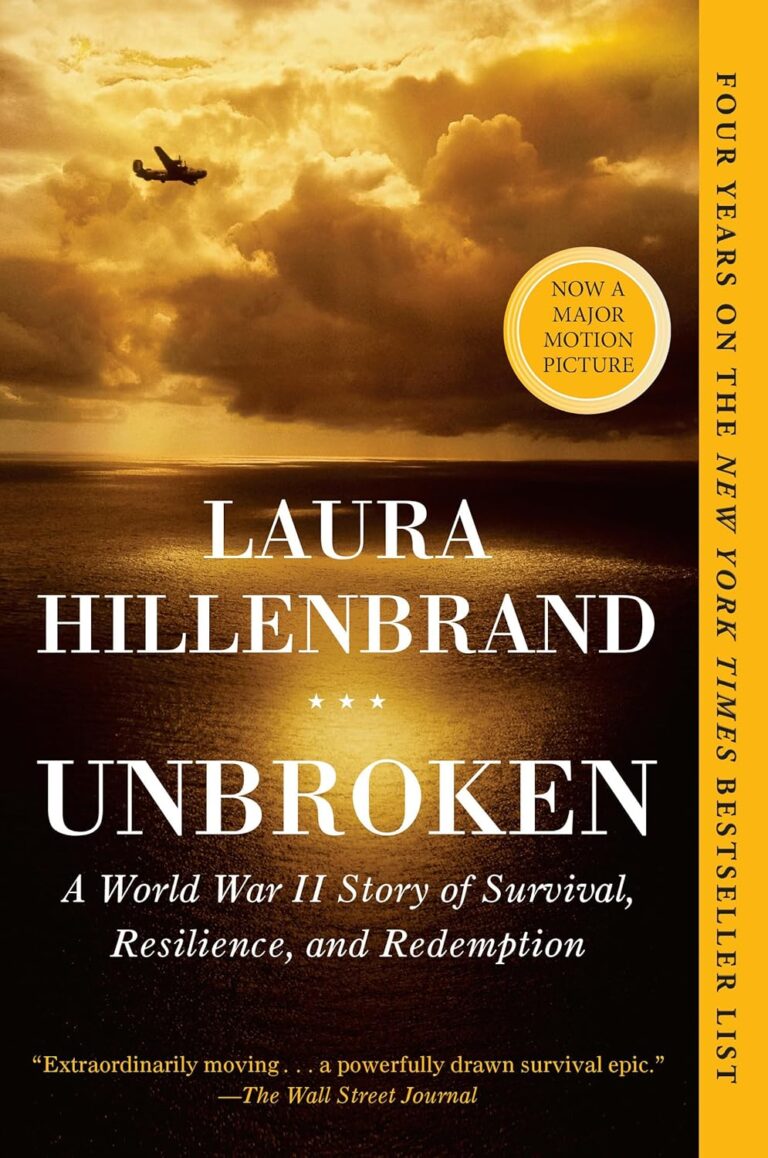
Unbroken: A World War II Story of Survival, Resilience, and Redemption
Unbroken: A World War II Story of Survival, Resilience, and Redemption 2010, Pages: 528 Genres Writer Laura Hillenbrand Characters Louie Zamperini, Russell Allen Phillips, Pete Zamperini An Olympic runner turned WWII bombardier survives a plane crash, 47 days at sea, and brutal torture as a POW, only to face his hardest battle at home: forgiving…
-
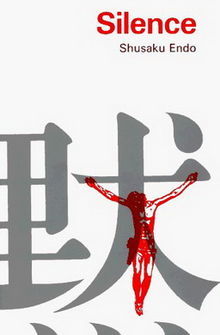
Silence
Silence 1966, Reading Time: 8-10h, Pages: 300 Genres Writer Shūsaku Endō Characters Sebastião Rodrigues, Cristóvão Ferreira, Kichijiro, Tokugawa Inoue Two 17th-century Jesuit priests journey to a Japan hostile to their faith to locate their missing mentor, only to face a test that questions the very nature of God’s presence in suffering. ☕Thus says AI: 89/100…
-
Apocalyptic | Books | Christian Fiction | Christianity | Dystopian | Fantasy | Fiction | Religion | Science Fiction | Suspense/Thriller
Left Behind: A Novel of the Earth’s Last Days
Left Behind: A Novel of the Earth’s Last Days 1995, 5h 21m Genres Authors Jerry B. Jenkins, Larry LaHaye “In the blink of an eye, millions vanished—now, the real nightmare begins for those who stayed.” ☕Our No Cap Review Left Behind in a Nutshell Left Behind is a 1995 novel by evangelical pastor Tim LaHaye and…
-
Books | Christian | Christian Living | Christian Non Fiction | Christianity | Evangelism | Faith | NonFiction | Religion
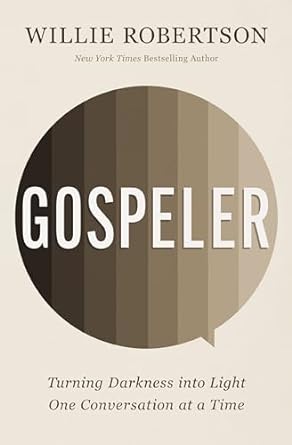
Gospeler
Gospeler: Turning Darkness into Light One Conversation at a Time Willie Robertson (author) A bold, heartfelt call to share the hope of Jesus through simple conversations that can change a life forever. Genres 224 pages, Paperback First published May 14, 2024 Our No Cap Review Plot Summary Gospeler is Willie Robertson’s personal and practical exploration…
-
Books | Business | Communication | Leadership | Management | NonFiction | Personal Development | Personal Growth | Psychology | Self Help
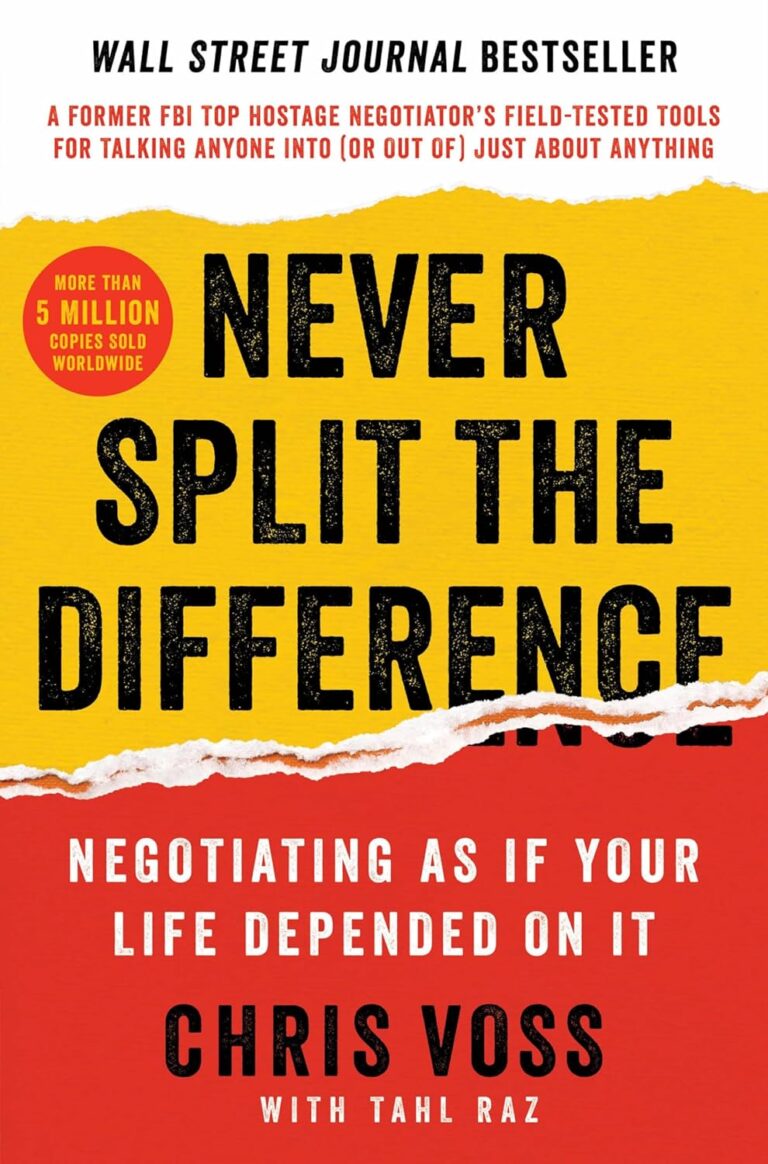
Never Split the Difference: Negotiating As If Your Life Depended on It
Never Split the Difference: Negotiating As If Your Life Depended on It Chris Voss (Author), Tahl Raz (co-author) Never Split the Difference is a bestselling negotiation book written by former FBI lead international hostage negotiator Chris Voss, with journalist Tahl Raz. Drawing from real high-stakes hostage scenarios, corporate negotiations, and cross-cultural conflict resolution, Voss presents…
-
The Hobbit
Middle-earth #0 The Hobbit, or There and Back Again J. R. R. Tolkein The Hobbit is a timeless fantasy adventure that follows Bilbo Baggins, a comfort-loving hobbit from the peaceful Shire, who is unexpectedly swept into a daring quest. When the wizard Gandalf arrives at his doorstep with thirteen determined dwarves led by Thorin Oakenshield,…

Explore Latest Movie Reviews
-
The King of Kings
The King of Kings The King of Kings | © 2025 Angel Studios Category None Light Moderate Heavy Profanity ✓ Violence & Gore ✓ Drug & Alcohol Use ✓ Explicit Content ✓ Spiritual Messaging ✓ 2025, 1h 41m Genres Director Seong-ho Jang Writers Seong-ho Jang, Rob Edwards Stars Oscar Isaac, Kenneth Branagh, Uma Thurman, Pierce…
-
Amazing Grace
Amazing Grace 2006, PG, 2h Genres Director Michael Apted Writers Steven Knight Stars Ioan Gruffudd, Albert Finney, Michael Gambon The idealist William Wilberforce maneuvers his way through Parliament in 19th-century England, endeavoring to end the British transatlantic slave trade. Amazing Grace: When Faith Fuels Revolution A Christian Review of the 2006 Biographical Drama 📊 Rating…
-
War Room
War Room 2015, PG, 2h Genres Director Alex Kendrick Writers Alex Kendrick, Stephen Kendrick Stars Priscilla C. Shirer, T.C. Stallings, Karen Abercrombie With her marriage on the brink of collapse, a woman discovers that she can only win the battle for her home by surrendering the fight to God in her “war room.” Is War…
-
Sound of Hope: The Story of Possum Trot
Sound of Hope: The Story of Possum Trot 2024, PG-13, 2h 10m Genres Director Joshua Weigel Writers Joshua Weigel, Rebekah Weigel Stars Nika King, Demetrius Grosse, Elizabeth Mitchell Inspired by a true story, a rural East Texas pastor and his wife ignite a movement within their small church to adopt 77 of the most difficult-to-place…
-
God’s Not Dead 2
God’s Not Dead 2 2016, PG, 2h Genres Director Harold Cronk Writers Chuck Konzelman, Cary Solomon Stars Melissa Joan Hart, Jesse Metcalfe, David A.R. White When a public high school teacher is sued for answering a student’s question about Jesus, she must fight in court to save her career and defend the right to speak…
-
God’s Not Dead
God’s Not Dead 2014, PG, 1h 53m Genres Director Harold Cronk Writers Hunter Dennis, Chuck Konzelman, Cary Solomon Stars Shane Harper, Kevin Sorbo, David A.R. White A devout Christian student must prove God’s existence in a series of debates against his atheist philosophy professor to save his grade and stand up for his faith. ☕Thus…