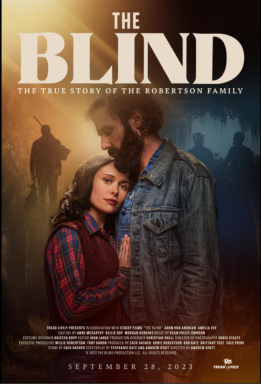
The Blind
PG-13, 2023, 1h 48m
Before the world met Phil Robertson, he confronted the pain, addiction, and choices that nearly cost him everything.
Director
Andrew Hyatt
Writers
Zach Dasher, Stephanie Katz, Andrew Hyatt
Stars
Aron von Adrian, Matthew Eric White, Ronan Carroll
Our No Cap Review
Plot Summary
The Blind tells the true story of Phil Robertson long before he became known through Duck Dynasty or built the Duck Commander legacy. Set in rural Louisiana, the film follows Phil from his early years as a talented young man with promise, through a tumultuous period marked by alcoholism, infidelity, and destructive choices that nearly cost him his marriage and family. As Phil spirals deeper into addiction, the consequences strain his relationship with his wife Kay and jeopardize the safety and future of their children. The narrative moves steadily toward a moment of spiritual reckoning, where Phil finally confronts the darkness within himself and discovers the transforming power of faith, forgiveness, and restoration. Ultimately, The Blind is a story of redemption—one that shows the long, painful, but hopeful road from brokenness to grace.
Beliefs & Biographical of the Director
Director Andrew Hyatt is known for creating honest, faith-centered films such as Paul, Apostle of Christ and Full of Grace. His work consistently explores themes of redemption, brokenness, and spiritual transformation, and he approaches storytelling with a desire to show the raw truth of human struggle rather than a sanitized version of faith. Hyatt has spoken openly about his belief that God works through people’s darkest moments, and that film should reflect both the pain and the hope of real life.
Co-writer Stephanie Katz collaborates closely with Hyatt in shaping character-driven, emotionally grounded stories. Together on The Blind, they crafted a narrative that reflects their shared conviction that no life is beyond redemption. Their writing emphasizes authenticity, the power of grace, and the belief that honest storytelling can illuminate spiritual truth.
Christian Themes of the Film
The film is anchored in distinctly Christian themes, especially the power of redemption and the hope found in surrendering to Christ. It portrays the gospel not as an abstract message but as a lived reality that confronts addiction, infidelity, and broken relationships. Grace, repentance, forgiveness, and spiritual rebirth are central motifs. Kay’s steadfast faith and prayer serve as a quiet but powerful force, embodying the biblical concept of a faithful spouse who believes for her family even when change seems impossible. The film also highlights the idea that no one is beyond redemption—a theme drawn directly from Phil’s testimony. The story mirrors the Christian belief that transformation is only possible through God’s intervention and that new life can rise from even the darkest chapters.
Positive Role Models
Kay Robertson stands out as the film’s most consistent moral anchor. Her unwavering love, resilience, and commitment to her family exemplify sacrificial faithfulness. Despite deep wounds and betrayal, she maintains hope for Phil’s transformation while protecting her family with determination.
Bill Smith—portrayed in the film as a trusted friend, mentor, or guiding presence (depending on the scene)—serves as a grounding influence, modeling integrity, accountability, and steady companionship through Phil’s transformation. Together, these figures remind viewers that role models are not perfect people but those who choose truth, humility, and love even in the hardest circumstances.
Phil, though deeply flawed for much of the story, becomes a role model in the latter portion of the film as leads his former running mate, Big Al, to Christ as he retells his conversion story. Told from the perspective of Phil, the film ultimately depicts Phil’s later evangelistic passion, a model and example of humility and compassion.
Violence
Violence in the film is minimal but emotionally heavy. There are scenes showing the consequences of Phil’s drunken anger, including verbal aggression and implied domestic violence. While no graphic physical violence is shown, the emotional hostility and reckless behavior create an atmosphere of instability and danger. Overall, any violence present serves narrative purpose rather than entertainment.
Drug Use
The film contains recurring depictions of alcohol abuse, as Phil’s addiction is a central conflict. Scenes show excessive drinking, bar environments, and the destructive impact of alcoholism on family life. The depiction is raw but not glamorized, emphasizing consequences and emotional fallout. No illegal drug use is portrayed.
Profanity
Profanity is minimal and handled carefully due to the film’s faith-driven focus. Some strong language appears in moments of conflict or emotional breakdown, reflecting the reality of Phil’s early life before his conversion. The language remains moderate and contextually grounded.
Sexual or Romantic Content
The film includes references to infidelity, marital strain, and adultery, but these are portrayed with restraint and without explicit scenes. The emotional impact of Phil’s unfaithfulness is addressed primarily through dialogue, implication, and relational tension rather than graphic imagery.
Romantic and sexual themes remain anchored in the exploration of marriage, betrayal, forgiveness, and rebuilt intimacy after transformation. In the scene where Phil and Kay have a mock marriage ceremony, they kiss.
Additional Comments
The Blind is a raw, emotionally honest biographical drama that prioritizes authenticity over polish. It is less a traditional Christian film and more a redemption narrative grounded in real human struggle. Its performances, especially by those portraying Phil and Kay, carry a believable emotional weight. Viewers seeking sanitized storytelling may find the early chapters uncomfortable, but the film’s willingness to show brokenness makes its message of grace far more powerful. For those interested in the Robertson family, testimonies of redemption, or real-life spiritual transformation, The Blind offers a compelling and hopeful portrayal of what faith can restore.
Explore Latest Book Reviews
-
Unbroken: A World War II Story of Survival, Resilience, and Redemption
Unbroken: A World War II Story of Survival, Resilience, and Redemption 2010, Pages: 528 Genres Writer Laura Hillenbrand Characters Louie Zamperini, Russell Allen Phillips, Pete Zamperini An Olympic runner turned WWII bombardier survives a plane crash, 47 days at sea, and brutal torture as a POW, only to face his hardest battle at home: forgiving…
-
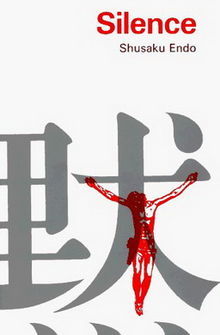
Silence
Silence 1966, Reading Time: 8-10h, Pages: 300 Genres Writer Shūsaku Endō Characters Sebastião Rodrigues, Cristóvão Ferreira, Kichijiro, Tokugawa Inoue Two 17th-century Jesuit priests journey to a Japan hostile to their faith to locate their missing mentor, only to face a test that questions the very nature of God’s presence in suffering. ☕Thus says AI: 89/100…
-
Apocalyptic | Books | Christian Fiction | Christianity | Dystopian | Fantasy | Fiction | Religion | Science Fiction | Suspense/Thriller
Left Behind: A Novel of the Earth’s Last Days
Left Behind: A Novel of the Earth’s Last Days 1995, 5h 21m Genres Authors Jerry B. Jenkins, Larry LaHaye “In the blink of an eye, millions vanished—now, the real nightmare begins for those who stayed.” ☕Our No Cap Review Left Behind in a Nutshell Left Behind is a 1995 novel by evangelical pastor Tim LaHaye and…
-
Books | Christian | Christian Living | Christian Non Fiction | Christianity | Evangelism | Faith | NonFiction | Religion
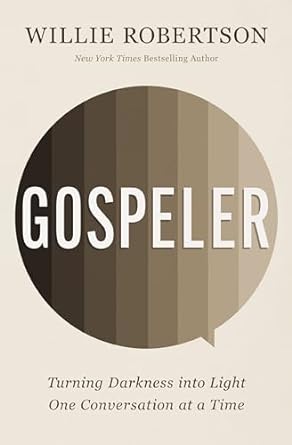
Gospeler
Gospeler: Turning Darkness into Light One Conversation at a Time Willie Robertson (author) A bold, heartfelt call to share the hope of Jesus through simple conversations that can change a life forever. Genres 224 pages, Paperback First published May 14, 2024 Our No Cap Review Plot Summary Gospeler is Willie Robertson’s personal and practical exploration…
-
Books | Business | Communication | Leadership | Management | NonFiction | Personal Development | Personal Growth | Psychology | Self Help
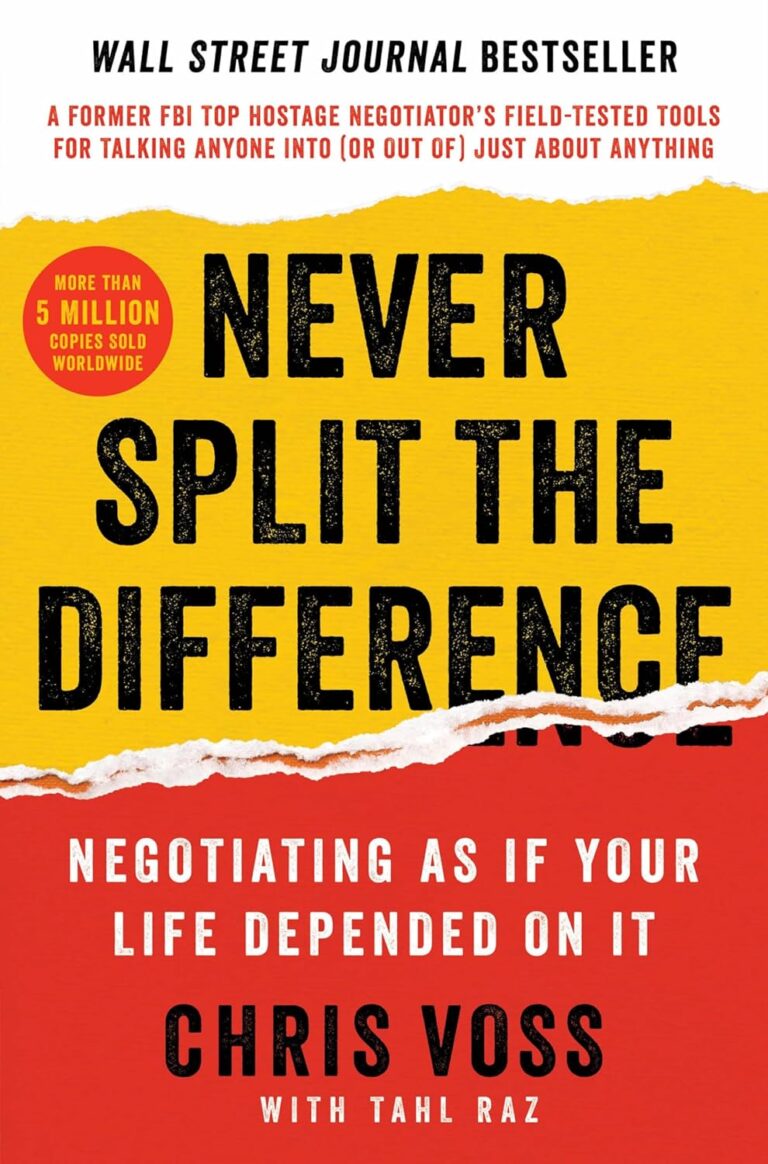
Never Split the Difference: Negotiating As If Your Life Depended on It
Never Split the Difference: Negotiating As If Your Life Depended on It Chris Voss (Author), Tahl Raz (co-author) Never Split the Difference is a bestselling negotiation book written by former FBI lead international hostage negotiator Chris Voss, with journalist Tahl Raz. Drawing from real high-stakes hostage scenarios, corporate negotiations, and cross-cultural conflict resolution, Voss presents…
-
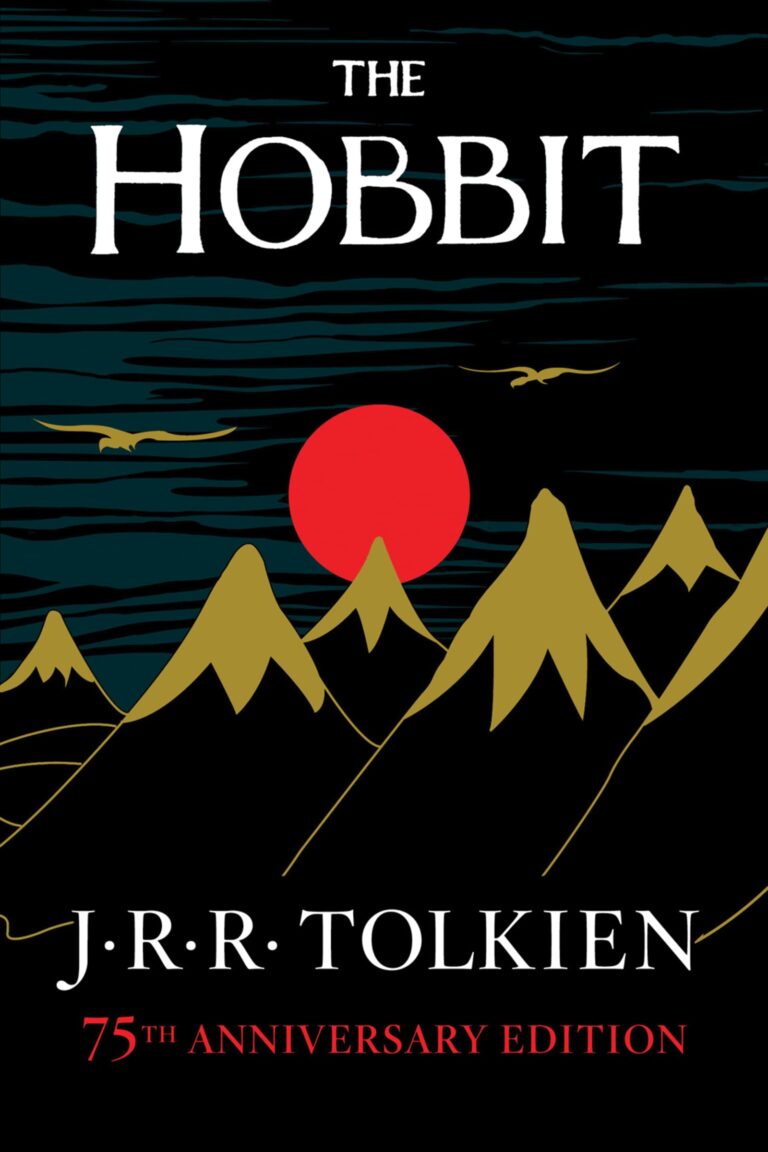
The Hobbit
Middle-earth #0 The Hobbit, or There and Back Again J. R. R. Tolkein The Hobbit is a timeless fantasy adventure that follows Bilbo Baggins, a comfort-loving hobbit from the peaceful Shire, who is unexpectedly swept into a daring quest. When the wizard Gandalf arrives at his doorstep with thirteen determined dwarves led by Thorin Oakenshield,…
Explore Latest Movie Reviews
-
The King of Kings
The King of Kings The King of Kings | © 2025 Angel Studios Category None Light Moderate Heavy Profanity ✓ Violence & Gore ✓ Drug & Alcohol Use ✓ Explicit Content ✓ Spiritual Messaging ✓ 2025, 1h 41m Genres Director Seong-ho Jang Writers Seong-ho Jang, Rob Edwards Stars Oscar Isaac, Kenneth Branagh, Uma Thurman, Pierce…
-
Amazing Grace
Amazing Grace 2006, PG, 2h Genres Director Michael Apted Writers Steven Knight Stars Ioan Gruffudd, Albert Finney, Michael Gambon The idealist William Wilberforce maneuvers his way through Parliament in 19th-century England, endeavoring to end the British transatlantic slave trade. Amazing Grace: When Faith Fuels Revolution A Christian Review of the 2006 Biographical Drama 📊 Rating…
-
War Room
War Room 2015, PG, 2h Genres Director Alex Kendrick Writers Alex Kendrick, Stephen Kendrick Stars Priscilla C. Shirer, T.C. Stallings, Karen Abercrombie With her marriage on the brink of collapse, a woman discovers that she can only win the battle for her home by surrendering the fight to God in her “war room.” Is War…
-
Sound of Hope: The Story of Possum Trot
Sound of Hope: The Story of Possum Trot 2024, PG-13, 2h 10m Genres Director Joshua Weigel Writers Joshua Weigel, Rebekah Weigel Stars Nika King, Demetrius Grosse, Elizabeth Mitchell Inspired by a true story, a rural East Texas pastor and his wife ignite a movement within their small church to adopt 77 of the most difficult-to-place…
-
God’s Not Dead 2
God’s Not Dead 2 2016, PG, 2h Genres Director Harold Cronk Writers Chuck Konzelman, Cary Solomon Stars Melissa Joan Hart, Jesse Metcalfe, David A.R. White When a public high school teacher is sued for answering a student’s question about Jesus, she must fight in court to save her career and defend the right to speak…
-
God’s Not Dead
God’s Not Dead 2014, PG, 1h 53m Genres Director Harold Cronk Writers Hunter Dennis, Chuck Konzelman, Cary Solomon Stars Shane Harper, Kevin Sorbo, David A.R. White A devout Christian student must prove God’s existence in a series of debates against his atheist philosophy professor to save his grade and stand up for his faith. ☕Thus…
Explore Latest TV Show Reviews
-
Unbroken: A World War II Story of Survival, Resilience, and Redemption
Unbroken: A World War II Story of Survival, Resilience, and Redemption 2010, Pages: 528 Genres Writer Laura Hillenbrand Characters Louie Zamperini, Russell Allen Phillips, Pete Zamperini An Olympic runner turned WWII bombardier survives a plane crash, 47 days at sea, and brutal torture as a POW, only to face his hardest battle at home: forgiving…
-
Silence
Silence 1966, Reading Time: 8-10h, Pages: 300 Genres Writer Shūsaku Endō Characters Sebastião Rodrigues, Cristóvão Ferreira, Kichijiro, Tokugawa Inoue Two 17th-century Jesuit priests journey to a Japan hostile to their faith to locate their missing mentor, only to face a test that questions the very nature of God’s presence in suffering. ☕Thus says AI: 89/100…
-
Apocalyptic | Books | Christian Fiction | Christianity | Dystopian | Fantasy | Fiction | Religion | Science Fiction | Suspense/Thriller
Left Behind: A Novel of the Earth’s Last Days
Left Behind: A Novel of the Earth’s Last Days 1995, 5h 21m Genres Authors Jerry B. Jenkins, Larry LaHaye “In the blink of an eye, millions vanished—now, the real nightmare begins for those who stayed.” ☕Our No Cap Review Left Behind in a Nutshell Left Behind is a 1995 novel by evangelical pastor Tim LaHaye and…
-
Books | Christian | Christian Living | Christian Non Fiction | Christianity | Evangelism | Faith | NonFiction | Religion
Gospeler
Gospeler: Turning Darkness into Light One Conversation at a Time Willie Robertson (author) A bold, heartfelt call to share the hope of Jesus through simple conversations that can change a life forever. Genres 224 pages, Paperback First published May 14, 2024 Our No Cap Review Plot Summary Gospeler is Willie Robertson’s personal and practical exploration…
-
Books | Business | Communication | Leadership | Management | NonFiction | Personal Development | Personal Growth | Psychology | Self Help
Never Split the Difference: Negotiating As If Your Life Depended on It
Never Split the Difference: Negotiating As If Your Life Depended on It Chris Voss (Author), Tahl Raz (co-author) Never Split the Difference is a bestselling negotiation book written by former FBI lead international hostage negotiator Chris Voss, with journalist Tahl Raz. Drawing from real high-stakes hostage scenarios, corporate negotiations, and cross-cultural conflict resolution, Voss presents…
-
The Hobbit
Middle-earth #0 The Hobbit, or There and Back Again J. R. R. Tolkein The Hobbit is a timeless fantasy adventure that follows Bilbo Baggins, a comfort-loving hobbit from the peaceful Shire, who is unexpectedly swept into a daring quest. When the wizard Gandalf arrives at his doorstep with thirteen determined dwarves led by Thorin Oakenshield,…