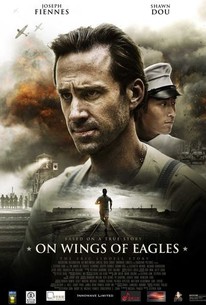
On Wings of Eagles
2016, PG-13, 1h 48m
Genres
Directors
Michael Parker, Stephen Shin
Writers
Rubby Xu, Christopher C. Chan, Michael Parker
Stars
Joseph Fiennes, Jesse Kove, Bruce Locke
The gold medal was just the beginning. Discover the untold final chapter of the ‘Flying Scotsman’ from Chariots of Fire.
☕Thus says AI: 78/100
✝️ Rating: Thus Says AI – 78/100
This solid faith-based historical drama earns praise for its powerful portrayal of sacrifice, suffering, and God’s sustaining grace. Joseph Fiennes delivers one of his finest performances. Yet the film occasionally mutes Liddell’s explicit Christian convictions—understandable given production challenges, but frustrating for viewers seeking deeper spiritual depth. Still, the message resonates powerfully through Liddell’s deeds, not merely his words. Worth the watch. 🏅
🎬 On Wings of Eagles in a Nutshell
This 2016 drama follows the second chapter of Eric Liddell’s remarkable life—the chapter Chariots of Fire never told. After winning Olympic gold in 1924, Liddell traded fame for faith-driven mission work in war-torn China. When Imperial Japan invaded, he chose captivity over safety. What follows? A haunting, unflinching portrait of a man whose unwavering trust in Christ transformed a prison camp into a quiet testimony of grace under crushing pressure.
🎬 Plot Synopsis
Liddell’s decision to stay changes everything.
The narrative opens peacefully: Eric loves his wife Florence, teaches English to Chinese students, and ministers with genuine warmth. Then comes the Japanese invasion of 1937. Rather than flee with Florence and their daughters (plus an unborn third child) to Canada, Eric surrenders everything familiar for a rural mission station in Xiaozhang, serving the poorest and most vulnerable.
Subsequently, the Japanese round up foreigners and intern them in “The Courtyard of the Happy Way” (Weihsien Camp)—an ironic name for a squalid prison. Here, Liddell’s faith is stress-tested relentlessly. The camp commander, recognizing the famous Olympian, challenges him to a race, offering gourmet food as incentive. Liddell wins but nearly collapses from malnutrition—he’d secretly given his rations to starving children and fellow prisoners. Enraged, the commander throws him into an underground pit.
Later, a young orphan boy Liddell sheltered is electrocuted by deliberately reactivated electric fences—a scene that epitomizes the camp’s cruelty and tests Liddell’s composure. Through it all, a single love letter from Florence becomes his spiritual anchor, reminding him of God’s faithfulness amid abandonment.
The film culminates as Liddell’s health deteriorates. He strikes a bargain with the commander: race once more, and allow medicine into camp. What happens next depends on whether grace operates in a POW camp.
💭 Themes & Messages of The Most Reluctant Convert
1. Sacrifice as the Highest Calling
Liddell doesn’t stumble into captivity. He chooses it. He watches his pregnant wife leave for safety, knowing separation may be permanent. The film asks: What does Christian obedience cost? For Liddell, it costs everything—comfort, family reunion, his very life. Yet he never regrets it.
This resonates with Matthew 19:29: “Everyone who has left houses or brothers or sisters or father or mother or wife or children or fields for my sake will receive a hundred times as much and will inherit eternal life.” Liddell lived this reality. The film shows it unflinchingly.
2. Faith Expressed Through Deeds, Not Doctrine
Here’s the film’s most theologically interesting tension: Critics rightfully note that Christ’s name is barely mentioned. Sermons are absent. Gospel presentations don’t dominate. Yet Eric’s faith blazes through his quiet, relentless service. He referees hockey matches to prevent violence. He comforts the dying. He shares meager rations. He resists the commander’s ideology without preaching back at him.
One internee called him “Jesus in running shoes.” His faith was incarnational—lived, not lectured. For viewers familiar with 1 Peter 2:21-24, this approach won’t disappoint: “To this you were called, because Christ suffered for you, leaving you an example, that you should follow in his steps.” Liddell followed those steps in a concentration camp, where words ring hollow but character rings true.
3. Surrender as the Route to Strength
The title comes from Isaiah 40:31: “They will soar on wings like eagles; they will run and not grow weary; they will walk and not be faint.”
But here’s the paradox: Liddell’s strength doesn’t come from running. It comes from surrendering his will to God’s. When imprisoned, starved, beaten, and facing death, he doesn’t collapse. Why? Because he’d already surrendered his future to Christ years before. Surrender precedes strength.
This echoes the Christian paradox from 2 Corinthians 12:9-10: “My grace is sufficient for you, for my power is made perfect in weakness.” The film demonstrates this truth through Liddell’s body and spirit, even as they’re breaking down.
4. Love as Resistance
In a regime built on hatred, hierarchy, and brutality, Liddell’s quiet love becomes a subversive act. He loves the Japanese guards (without excusing their cruelty). He loves the Chinese inmates. He loves the orphan boy. He refuses to hate back.
This reflects Matthew 5:44: “Love your enemies and pray for those who persecute you.” Not because it’s easy. Because it’s Christ-like. The film never sentimentalizes this—it shows the cost. But Liddell pays it willingly.
⚠️ Content Warnings
🩸 Violence & Gore
Severity: MODERATE-HIGH | Age guideline: 13+
This is not a sanitized film. It depicts Japanese brutality unflinchingly:
- Prisoners beaten by guards (head, torso blows—bloodied)
- Young boy electrocuted on barbed-wire fence (graphic, haunting death scene)
- Eric’s nose bleeds repeatedly from brain tumor
- Liddell’s feet bleed during racing sequences (malnutrition makes him physically fragile)
- Inmates starved, showing skeletal frames
- Underground pit cells (claustrophobic, degrading imprisonment)
- A prisoner escapes via sewage barrel (implied fecal matter, but not dwelled upon graphically)
Verdict: Violence serves the story’s gravity. It’s not gratuitous. But younger teens (under 13) may find torture scenes psychologically intense. Sensitive viewers: prepare yourself.
Drug & Alcohol Use: Mild 🍷
Severity: MINIMAL
- Light smoking (cigarettes in a few scenes)
- No alcohol
- A subplot involves bribing guards (morally questionable, but shown critically, not endorsingly)
Verdict: Non-issue for most families.
Profanity: Minor Concern 🗣️
Severity: MINIMAL | Instances: 3-4 total
- 2 light obscenities
- 1 mild profanity
- Context: Mostly in dialogue among Japanese guards; never gratuitous
Verdict: By PG-13 standards, clean.
Romantic or Explicit Content: Moderate Concern 💋
Severity: NONE
- Marital kissing (tender, never heated)
- Suggestions of marital intimacy (off-screen, implied)
- Brief upper-male nudity (bathing scene, non-sexual context)
- No sexual acts depicted
Verdict: Entirely wholesome. The film treats Eric’s marriage with dignity, not sensationalism.
🎯Verdict: Reasons To Watch
Reasons to Watch ✅
- For Christians Seeking Inspiration. You’ll be moved. Liddell’s quiet faithfulness—his willingness to be small so Christ can be large—challenges comfort-seeking Western believers. In an era when many churches sanitize faith, this film reminds us that discipleship can cost everything. If you’re wrestling with surrender, with calling, with whether your faith is real—watch it.
- For Those Curious About Historical Faith. Liddell’s story is documented, credible, and humanizing. He wasn’t a plaster saint. He was a man—shy, thoughtful, uncertain about future plans—who made conscious choices to follow Christ. The film honors those choices without melodrama. You’ll recognize yourself in his hesitations, even as you’re awed by his faithfulness.
- For Adults Exploring Persecution & Resilience. On Wings of Eagles arrives in a moment when global Christian persecution is resurging. The film doesn’t preach about persecution—it lets you experience it through Liddell’s eyes. What does faith look like when government ideology demands worship? When you’re stripped of comfort, family, and physical health? This film answers, quietly and devastatingly.
- For Lovers of Excellent Filmmaking. Set design, cinematography, and Joseph Fiennes’ restrained, powerful performance elevate this beyond faith-film clichés. Fiennes carries the film with minimal dialogue—his eyes, his posture, his subtle expressions communicate faith. If you appreciate acting craft, you’ll respect his work.
- One Caution: Theological Clarity. If you expect Chariots of Fire levels of explicit Christian witness and gospel preaching, you may feel let down. The faith here is shown through deeds, not words. Mature believers will recognize this as a valid (even beautiful) approach. Others may crave more direct spiritual dialogue.
Explore Latest Book Reviews
-
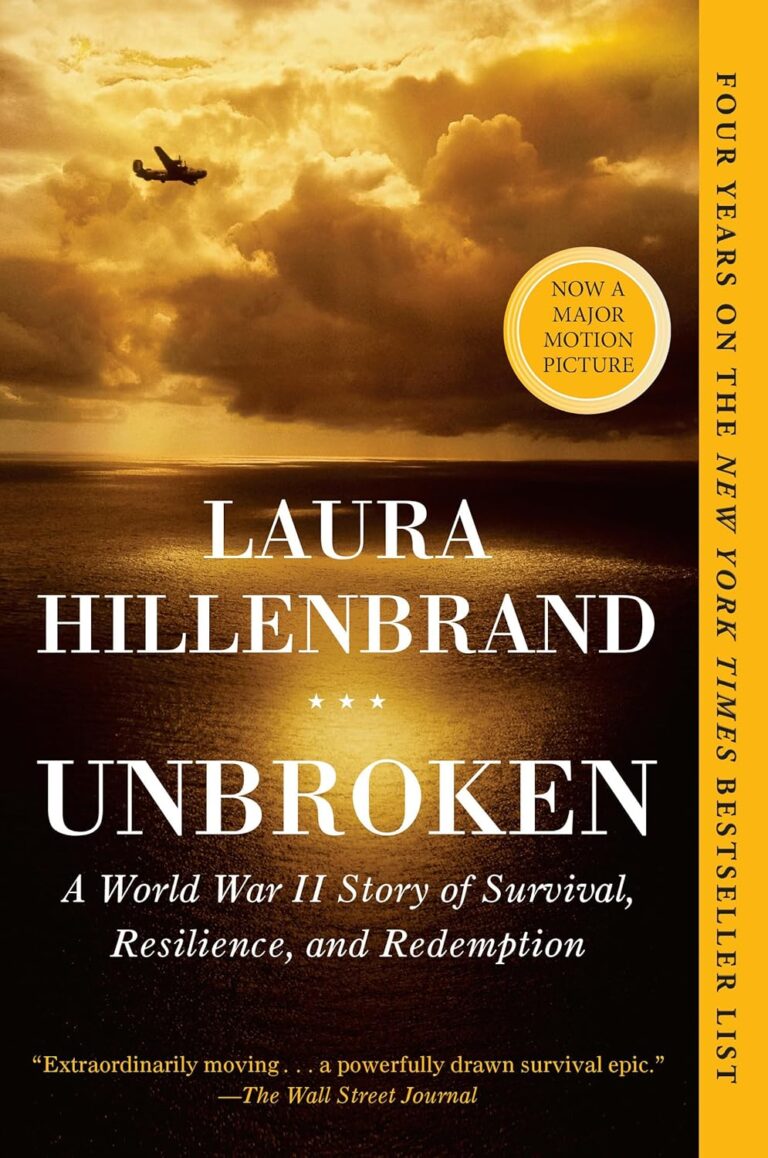
Unbroken: A World War II Story of Survival, Resilience, and Redemption
Unbroken: A World War II Story of Survival, Resilience, and Redemption 2010, Pages: 528 Genres Writer Laura Hillenbrand Characters Louie Zamperini, Russell Allen Phillips, Pete Zamperini An Olympic runner turned WWII bombardier survives a plane crash, 47 days at sea, and brutal torture as a POW, only to face his hardest battle at home: forgiving…
-
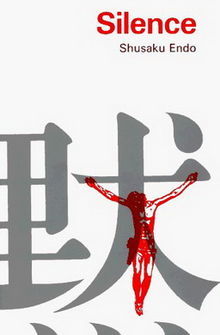
Silence
Silence 1966, Reading Time: 8-10h, Pages: 300 Genres Writer Shūsaku Endō Characters Sebastião Rodrigues, Cristóvão Ferreira, Kichijiro, Tokugawa Inoue Two 17th-century Jesuit priests journey to a Japan hostile to their faith to locate their missing mentor, only to face a test that questions the very nature of God’s presence in suffering. ☕Thus says AI: 89/100…
-
Apocalyptic | Books | Christian Fiction | Christianity | Dystopian | Fantasy | Fiction | Religion | Science Fiction | Suspense/Thriller
Left Behind: A Novel of the Earth’s Last Days
Left Behind: A Novel of the Earth’s Last Days 1995, 5h 21m Genres Authors Jerry B. Jenkins, Larry LaHaye “In the blink of an eye, millions vanished—now, the real nightmare begins for those who stayed.” ☕Our No Cap Review Left Behind in a Nutshell Left Behind is a 1995 novel by evangelical pastor Tim LaHaye and…
-
Books | Christian | Christian Living | Christian Non Fiction | Christianity | Evangelism | Faith | NonFiction | Religion
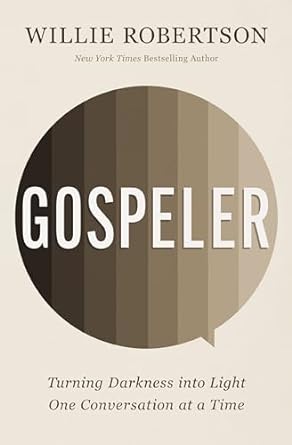
Gospeler
Gospeler: Turning Darkness into Light One Conversation at a Time Willie Robertson (author) A bold, heartfelt call to share the hope of Jesus through simple conversations that can change a life forever. Genres 224 pages, Paperback First published May 14, 2024 Our No Cap Review Plot Summary Gospeler is Willie Robertson’s personal and practical exploration…
-
Books | Business | Communication | Leadership | Management | NonFiction | Personal Development | Personal Growth | Psychology | Self Help
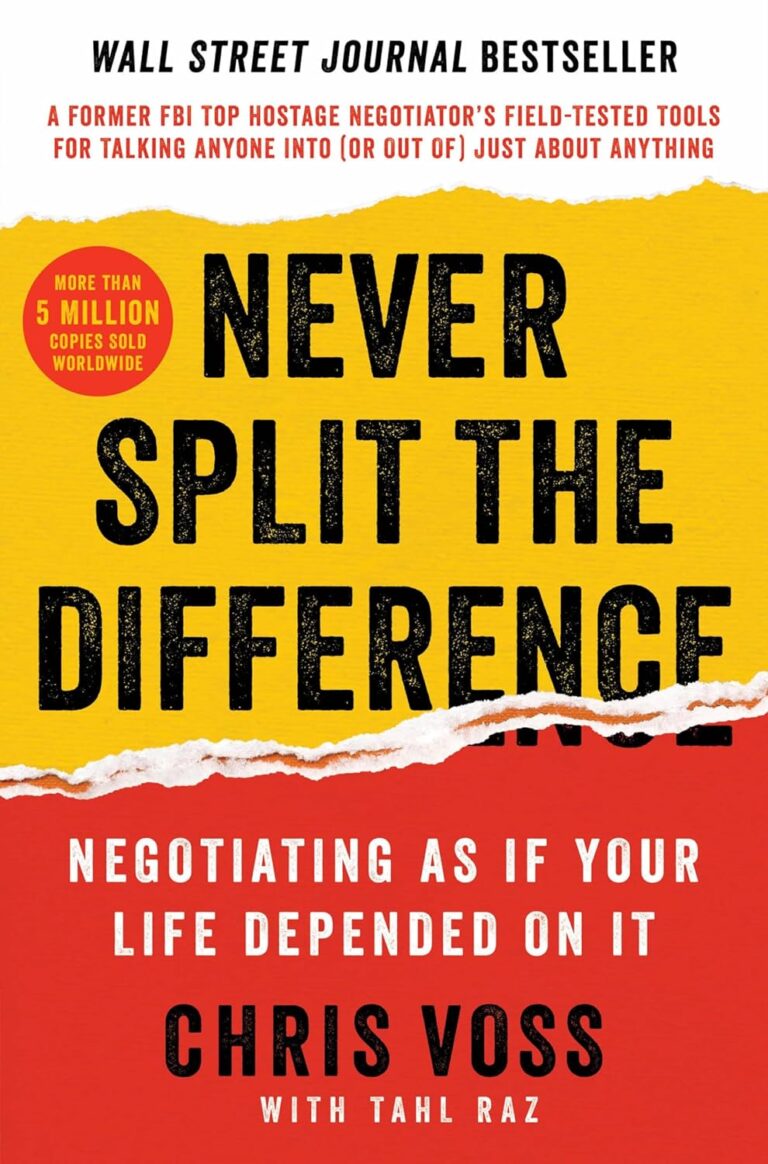
Never Split the Difference: Negotiating As If Your Life Depended on It
Never Split the Difference: Negotiating As If Your Life Depended on It Chris Voss (Author), Tahl Raz (co-author) Never Split the Difference is a bestselling negotiation book written by former FBI lead international hostage negotiator Chris Voss, with journalist Tahl Raz. Drawing from real high-stakes hostage scenarios, corporate negotiations, and cross-cultural conflict resolution, Voss presents…
-
The Hobbit
Middle-earth #0 The Hobbit, or There and Back Again J. R. R. Tolkein The Hobbit is a timeless fantasy adventure that follows Bilbo Baggins, a comfort-loving hobbit from the peaceful Shire, who is unexpectedly swept into a daring quest. When the wizard Gandalf arrives at his doorstep with thirteen determined dwarves led by Thorin Oakenshield,…

Explore Latest Movie Reviews
-
The King of Kings
The King of Kings The King of Kings | © 2025 Angel Studios Category None Light Moderate Heavy Profanity ✓ Violence & Gore ✓ Drug & Alcohol Use ✓ Explicit Content ✓ Spiritual Messaging ✓ 2025, 1h 41m Genres Director Seong-ho Jang Writers Seong-ho Jang, Rob Edwards Stars Oscar Isaac, Kenneth Branagh, Uma Thurman, Pierce…
-
Amazing Grace
Amazing Grace 2006, PG, 2h Genres Director Michael Apted Writers Steven Knight Stars Ioan Gruffudd, Albert Finney, Michael Gambon The idealist William Wilberforce maneuvers his way through Parliament in 19th-century England, endeavoring to end the British transatlantic slave trade. Amazing Grace: When Faith Fuels Revolution A Christian Review of the 2006 Biographical Drama 📊 Rating…
-
War Room
War Room 2015, PG, 2h Genres Director Alex Kendrick Writers Alex Kendrick, Stephen Kendrick Stars Priscilla C. Shirer, T.C. Stallings, Karen Abercrombie With her marriage on the brink of collapse, a woman discovers that she can only win the battle for her home by surrendering the fight to God in her “war room.” Is War…
-
Sound of Hope: The Story of Possum Trot
Sound of Hope: The Story of Possum Trot 2024, PG-13, 2h 10m Genres Director Joshua Weigel Writers Joshua Weigel, Rebekah Weigel Stars Nika King, Demetrius Grosse, Elizabeth Mitchell Inspired by a true story, a rural East Texas pastor and his wife ignite a movement within their small church to adopt 77 of the most difficult-to-place…
-
God’s Not Dead 2
God’s Not Dead 2 2016, PG, 2h Genres Director Harold Cronk Writers Chuck Konzelman, Cary Solomon Stars Melissa Joan Hart, Jesse Metcalfe, David A.R. White When a public high school teacher is sued for answering a student’s question about Jesus, she must fight in court to save her career and defend the right to speak…
-
God’s Not Dead
God’s Not Dead 2014, PG, 1h 53m Genres Director Harold Cronk Writers Hunter Dennis, Chuck Konzelman, Cary Solomon Stars Shane Harper, Kevin Sorbo, David A.R. White A devout Christian student must prove God’s existence in a series of debates against his atheist philosophy professor to save his grade and stand up for his faith. ☕Thus…