
My Secret Santa
TV-PG, 2025, 1h 30m
Genres
Director
Mike Rohl
Writers
Carley Smale & Ron Oliver
Stars
Alexandra Breckenridge, Ryan Eggold, Tia Mowry
A desperate single mom disguises herself as an elderly man to land a job as a ski resort’s Santa Claus. But when she falls for the resort’s charming manager, keeping her identity—and her beard—a secret becomes a holiday hazard.
Our No Cap Review
Yes or No: Should Christians Watch My Secret Santa (2025)? (Brief Verdict)
Yes, with discernment for teens and adults; it is a light rom‑com with some problematic deceit, sexuality‑by‑implication, and worldview fuzziness, but no graphic immorality or overt hostility to Christianity.
My Secret Santa in a Nutshell
My Secret Santa is a Netflix Christmas rom‑com where Taylor, a struggling single mom and former punk‑band frontwoman, disguises herself as a male Santa (under the name “Hugh Mann”) at a luxury ski resort to afford her daughter’s ski tuition. While juggling her double life, she falls for Matthew, the billionaire heir‑turned‑reluctant resort manager, leading to romantic tension, comic misunderstandings, and an eventual feel‑good resolution drenched in snow, lights, and sentiment.
The film leans heavily on familiar Hallmark‑style tropes—big‑city problems, small‑townish holiday warmth, a rich but redeemable love interest, and a climactic exposure of the disguise—elevated mainly by Alexandra Breckenridge’s charismatic performance and the central “woman‑under‑the‑beard” gimmick. It is emotionally warm and relatively tame but works from an essentially secular, feelings‑driven moral compass that never gets near the real meaning of Christmas in Christ.
Plot Synopsis
Taylor Jacobson, a single mother, loses her job and desperately needs money to keep her daughter Zoey in ski school, especially when she discovers that employees at the Sun Peaks‑style resort get a 50% tuition discount. To land a seasonal position, she overhears that the resort is short on a Santa Claus and, with the help of her gay former bandmates, crafts an elaborate disguise as an older male Santa named Hugh Mann.
The resort is run by the ultra‑wealthy Layne family, with Matthew Layne, the handsome and previously irresponsible heir, forced to become general manager to pay off debts and prove himself. As Taylor works under disguise, Matthew confides in “Santa” about his life and his growing crush on Taylor, while Natasha (Tia Mowry), an ambitious manager passed over for the GM role, grows suspicious and eventually exposes Taylor’s double identity at a holiday party, just as the romantic tension and workplace drama reach their peak.
Director & Writers: Background, Beliefs & Worldview
The film is directed by Mike Rohl, a veteran of light, mostly family‑friendly TV and holiday movies, including titles for Hallmark and Netflix, which typically prioritize comfort, romance, and seasonal sentiment over deep spiritual themes. Writers Ron Oliver and Carley Smale also have extensive experience in Christmas and rom‑com projects, which usually aim at cozy nostalgia, personal growth, and romance rather than explicit religious conviction.
Nothing in their public filmography or the marketing for My Secret Santa suggests a distinctly Christian worldview; the project fits squarely within Netflix’s secular holiday rom‑com slate crafted for broad appeal. Consequently, “faith” in the movie is essentially faith in oneself, in love, and in vague “holiday magic,” not in the incarnate Christ who came to save sinners.
Any Major Concerns Right off the Bat?
Two foundational concerns stand out: normalized deceit and a romance built around an identity lie. Taylor’s entire employment and relationship with Matthew are based on deception as she pretends to be an older man and allows him to open his heart under false pretenses. Scripture calls believers to speak truth and put away falsehood, for “each one of you speak the truth with his neighbor” (Ephesians 4:25), and the film largely treats the lie as cute, necessary, and consequence‑light until the final act.
A second concern is the soft, uncritical depiction of workplace boundaries and cross‑dressing for advantage, where Taylor’s gender disguise is presented as empowering ingenuity, not as a morally complex act that violates integrity and confuses vocation and honesty. While the film is not aggressively sexual or profane, its ethical framework is utilitarian—“if the lie leads to love and career growth, was it really that bad?”—which stands in tension with a biblical ethic where means matter as much as ends (Romans 3:8).
The Core Message: Biblical Resonance or Secular Worldview? (Is it worth a Christian’s time?)
At its core, My Secret Santa preaches a gospel of sincerity, second chances, and romantic fulfillment, with “Christmas” functioning as a glowing aesthetic rather than a celebration of Christ’s incarnation. The story affirms themes of sacrificial parenting and personal responsibility, which can resonate with Christian ethics, but it grounds them in self‑realization rather than in obedience to God’s revealed will.
A Christian watching will find echoes, not exegesis: Taylor’s sacrificial hustle for her daughter dimly reflects parental love that willingly suffers for a child (cf. Matthew 7:9–11), and Matthew’s growth from entitled heir to accountable leader faintly resembles repentance and sanctification. Yet the film’s worldview ultimately says “follow your heart and be true to yourself,” a message closer to modern expressive individualism than to the biblical call to deny self, take up the cross, and follow Christ (Luke 9:23). The film can be “worth it” as light entertainment if watched critically, but it is not spiritual nourishment.
Themes & Messages of the Movie
Sacrificial Parenting and Provision
Taylor’s willingness to take a humiliating, odd job and to live a double life to afford Zoey’s ski lessons highlights a mother’s sacrificial love. Biblically, parents are called to provide for their children (1 Timothy 5:8) and to prioritize their good, but always within the bounds of righteousness; Taylor crosses into deception, illustrating how good desires can be pursued by sinful means.
Redemption of the Privileged Heir
Matthew begins as an irresponsible, wealthy heir who “hasn’t worked a day in his life” and takes the GM role to pay off debts and prove himself. His gradual shift toward responsibility and humility nods toward a redemption arc but remains horizontal—growth for career and romance, not repentance toward God—contrasting with the prodigal son who returns to the Father, not merely to a better job (Luke 15:11–24).
Authenticity vs. Disguise
The central conceit—Taylor hiding behind the Santa persona while being “her real self” as Taylor around Matthew—raises questions about identity, truth, and vulnerability. Scripture upholds integrity, rejecting hypocrisy and masks; God desires truth in the inward being (Psalm 51:6), and Jesus condemns those who present a false surface while hiding reality (Matthew 23:27). The film treats the mask as comedic and romantic, while the gospel calls believers to walk in the light (1 John 1:7).
Work, Calling, and Dignity of Ordinary Jobs
The ski resort setting, the staff hierarchy, and even the comical Santa job underline the dignity and challenge of ordinary, service‑oriented work. Christians can affirm that all honest work done unto the Lord has dignity (Colossians 3:23), yet the movie frames vocation chiefly as a vehicle for self‑fulfillment and romance rather than stewardship and service to God.
Iconic Scenes and How Biblical Are They?
1. Taylor’s Santa Transformation with Her Bandmates
In one early sequence, Taylor’s gay former bandmates break out the fat suit, beard, and theatrical flair to transform her into Santa, played as a montage of creativity, camaraderie, and camp. The camaraderie itself echoes a biblical appreciation of friendship and mutual support (Ecclesiastes 4:9–10), yet the scene also normalizes deception as a fun, morally neutral makeover and uses cross‑dressing as a tool to cheat a system, not as an emergency act of survival.
In contrast, Scripture consistently ties love of neighbor to honesty and uprightness (Leviticus 19:11), warning that lies inevitably damage trust and community. The film never seriously reckons with the way Taylor’s disguise manipulates Matthew’s trust and the resort’s hiring process, turning sin into slapstick.
- Matthew Confiding in “Santa” About His Feelings for Taylor
Several scenes show Matthew in the locker room or break areas, confiding in Santa (unaware he is talking to Taylor) about his insecurities, debts, and growing affection for Taylor. These moments show a genuine longing to be known and forgiven, which rings with biblical themes of confession and vulnerability, but the confessional dynamic is built on a lie—Matthew is opening his heart to someone who is not who he claims to be.
Biblically, confession is directed ultimately to God and to trusted believers in truth (James 5:16), not to a fabricated persona; the film unintentionally illustrates how emotional intimacy built on falsehood is fragile and ultimately unjust. When “Santa” nudges Matthew to pursue Taylor, the audience is meant to smile, but a Christian can see the ethical problem: counsel given under false identity misuses another’s trust.
- Natasha Exposes Taylor at the Holiday Party
At the resort holiday party, both Taylor and “Santa” must appear, forcing chaotic costume changes until Natasha finally exposes Taylor’s double identity publicly. The revelation scene serves as the film’s crisis, with hurt feelings, embarrassment, and professional consequences. This exposure is reminiscent of the biblical pattern that hidden things eventually come to light: “For nothing is hidden that will not be made manifest” (Luke 8:17).
The screenplay, however, mostly treats this as a hurdle for the couple to overcome rather than a serious moral reckoning. Repentance is more sentimental than robust: Taylor is sorry for hurting Matthew, but the narrative rewards her with relational restoration and career opportunity without deep exploration of restitution or the cost of sin. From a Christian perspective, it softens the biblical seriousness of deceit, where forgiveness flows from the cross and includes a turning from sin, not merely an emotional reconciliation.
- Taylor Saying “No” to Spoiled Kids’ Gift Requests
One recurring gag is that Taylor, as Santa, bluntly tells spoiled children “no” when they demand extravagant or selfish gifts, resulting in poor “Santa reviews.” Ironically, this is one of the more morally grounded behaviors in the movie: she rejects consumeristic entitlement and subtly encourages more realistic expectations, which aligns with warnings against greed and covetousness (Luke 12:15).
Yet because “Santa” is a lie, even her spurts of truth to the kids are wrapped in a false package; she speaks against materialism while embodying pretense. The movie misses a deeper opportunity: to connect generosity with gratitude to a real Giver rather than a mythical gift‑dispenser, leaving the gospel of grace outside the frame.
Main Characters: Are They Positive or Negative Role Models?
Christians can appreciate Taylor’s grit and Matthew’s growth while clearly naming their sins and shortcomings, remembering that Scripture reserves “role model” status for those who imitate Christ in faith and obedience (1 Corinthians 11:1).
Why Was This Movie Made? (Director’s Intent)
Everything about the production context—Netflix branding, casting of recognizable TV leads, and the script’s structure—indicates that My Secret Santa was designed as an accessible, rewatchable holiday rom‑com to fill the platform’s Christmas slate. The intent seems to be to combine a fresh costume hook (a woman as Santa) with the comforting familiarity of seasonal romance and personal transformation.
The film aims to give viewers warmth, humor, and the sense that people can change and find love in the glow of Christmas lights, not to challenge them with deep moral or theological questions. From a Christian perspective, it functions as cultural “cotton candy”: pleasant, briefly satisfying, but spiritually empty unless a believer deliberately uses it as a springboard for deeper conversations.
Impacts on Culture
As with many Netflix holiday rom‑coms, the cultural impact is less about generating debate and more about reinforcing a particular “Christmas mood”: cozy, romantic, inclusive, and secular. The film normalizes certain ideas—fluid boundaries around identity, the harmlessness of lies for love, and a Christmas defined by romance and self‑fulfillment—which slowly catechize viewers into believing that emotional sincerity and seasonal decor are enough to make something “good.”
This kind of storytelling also underlines how deeply Western culture has detached Christmas from Christ, turning Advent into an aesthetic rather than a proclamation of the incarnation. Christians engaging with such films should be alert to how repeated exposure can subtly shape expectations about love, truth, and the holiday itself (Romans 12:2).
Content Warnings
Violence & Gore
There is no significant violence or gore indicated in plot descriptions or reviews; the film is rated TV‑PG and is played primarily for humor and romance rather than action. You may see mild slapstick or pratfalls typical of holiday comedies (costume mishaps, party chaos), but nothing graphic or intense.
Drug & Alcohol Use
There is no indication of drug use among minors or adults, which is a welcome absence in a culture that often normalizes substance abuse. Social drinking may appear in party scenes (e.g., at the resort holiday event), as is common in rom‑coms, but no strong subplot of intoxication or binge drinking is noted; still, parents may want to remind teens about biblical sobriety and self‑control (Ephesians 5:18).
Profanity
Reviews and the TV‑PG rating suggest minimal profanity, likely limited to light exclamations or mild language rather than harsh vulgarity. Ephesians 5:4 cautions believers against “obscenity, foolish talk or coarse joking,” so even mild language can become a matter of conscience; viewers sensitive to unnecessary slang or crude humor may still want to be cautious, but this film appears relatively restrained for a modern rom‑com.
Sexual or Romantic Content
The romantic relationship between Taylor and Matthew remains within the usual rom‑com bounds: flirting, emotional intimacy, and likely at least one climactic kiss. There are no indications of explicit sex scenes, nudity, or graphic sensuality; however, the film depicts romance between unmarried adults as the natural endpoint of emotional connection, without any reference to covenant marriage, commitment before God, or sexual purity.
Biblically, romantic and sexual intimacy is designed for the covenant of marriage (Hebrews 13:4), and stories that treat pre‑marital romantic entanglements as morally neutral can gradually desensitize believers to God’s high view of marital fidelity and sexual holiness (1 Thessalonians 4:3–5). Even if the film stays “clean” visually, Christians should recognize that it disciples the heart toward an unexamined assumption that feelings justify romance.
Other Concerns
The film uses Santa, holiday “magic,” and the language of “Christmas spirit” without any reference to Jesus, the incarnation, sin, or redemption. This reinforces a sentimental, quasi‑spiritual vision of Christmas where vague warmth, generosity, and romance replace the biblical announcement that “unto you is born this day in the city of David a Savior, who is Christ the Lord” (Luke 2:11).
Additionally, Taylor’s cross‑dressing and constructed male persona are not explored through any theological lens; they are treated as morally neutral problem‑solving. Scripture affirms that God created humanity male and female (Genesis 1:27) and values bodily and vocational integrity; while this film does not push a transgender ideology, it does treat gender disguise as a light tool to bypass structures, and repeated exposure to such narratives can blur categories for younger viewers.
Verdict: Why (or Why Not) Should Christians Watch This?
Christians could watch My Secret Santa as a relatively tame, mildly clever Christmas rom‑com, especially if they enjoy Alexandra Breckenridge or Netflix’s holiday catalog, but they should do so with eyes wide open and hearts anchored in Scripture. The movie offers no explicit blasphemy or aggressive immorality, yet it quietly normalizes lying for love, treating Christmas as a secular backdrop and romance as an ultimate good.
For some believers, especially those weary, this may serve as low‑stakes entertainment that can be redeemed by intentional conversation about truth, identity, and the real meaning of Christmas. For others, particularly those sensitive to romantic idealism, compromised ethics, or Santa‑centric holiday narratives that eclipse Jesus, it may be wiser to skip and choose a story that more clearly reinforces a Christian worldview (Philippians 4:8). The key is not whether the movie is “Christian enough,” but whether watching it will help or hinder your walk with Christ and that of those watching with you.
Recommended Scenes for Discussion
The Santa Makeover Montage with Taylor’s Bandmates – Discuss the ethics of Taylor’s plan: Is it ever justified to lie about identity to get a job, even for a noble cause? Connect to Ephesians 4:25 and Proverbs 12:22 (the Lord delights in a truthful person).
Matthew Confiding in “Santa” About Taylor – Explore why it is harmful to build emotional intimacy on a lie and how trust is essential for real relationships. Compare with 1 John 1:7, which links fellowship with walking in the light.
Natasha’s Public Exposure of Taylor at the Party – Ask who is actually in the right here: the deceiver (Taylor) or the resentful truth‑teller (Natasha)? Use this to talk about motives, justice, and the right way to bring truth to light (Galatians 6:1).
Taylor’s Honest “No” to Spoiled Kids’ Demands – Discuss consumerism at Christmas and how even a fictional Santa can challenge greed. Connect to Luke 12:15 and consider how Christian families can push back against entitlement.
Family Discussion Guide
For families who decide to watch together, consider these discussion questions:
- Truth and Love: Taylor lies to get her job and to protect her daughter. In what ways does the movie justify her deception, and how does the Bible call Christians to handle hard situations differently (1 Peter 3:16)?
- Identity and Integrity: How does Taylor’s “Hugh Mann” persona affect her sense of self? What does it mean for a Christian to have identity in Christ rather than in costume or performance (Colossians 3:3)?
- Romance and Covenant: The film presents romance as emotional chemistry plus Christmas ambiance. How does Scripture define love and commitment differently (1 Corinthians 13:4–7; Ephesians 5:25–33)? Why is romance outside the promise of marriage spiritually dangerous?
- Christmas Without Christ: After the movie, read Luke 2:1–20 together. What is missing from the film’s picture of Christmas, and how can your family keep Jesus central during the season?
- Work and Calling: Matthew and Taylor both grow through their jobs at the resort. How can Christians view even mundane work as service to the Lord rather than just a path to money or romance (Colossians 3:23)?
Parents should tailor these questions to the age and maturity of their children and be ready to gently correct unbiblical assumptions that the film normalizes.
Extra: Fun Facts
My Secret Santa stars Alexandra Breckenridge, best known for Virgin River, which gives her built‑in goodwill with Netflix’s target audience.
Ryan Eggold, playing Matthew, previously appeared in shows like New Amsterdam and The Blacklist, bringing an established TV presence to the romantic lead role.
Tia Mowry, who plays Natasha, is a veteran of family‑oriented and comedic projects (e.g., Sister, Sister), fitting the film’s tone of light conflict and eventual warmth.
The film was shot in Kamloops, British Columbia, a go‑to Canadian location for faux‑American winter towns in many TV Christmas movies.
Similar Movies to My Secret Santa
If you want titles in a similar tonal or thematic lane—but can evaluate them biblically as well—consider:
- The Princess Switch (2018, Netflix) – Another identity‑swapping Christmas romance with Vanessa Hudgens, playing on disguise, royalty, and holiday charm.
- The Knight Before Christmas (2019, Netflix) – Time‑traveling knight meets modern woman at Christmas; light, whimsical, and similarly secular‑romantic in tone.
- A Christmas Prince (2017, Netflix) – A journalist goes undercover in a royal palace and falls in love with a prince, echoing themes of deception and romance amid holiday décor.
For something more explicitly rooted in Christian themes, discerning viewers might pivot instead to older, more value‑oriented titles distributed by faith‑friendly studios, or to live‑action adaptations of the Nativity narratives that directly foreground Christ and the gospel.
Explore Latest Book Reviews
-
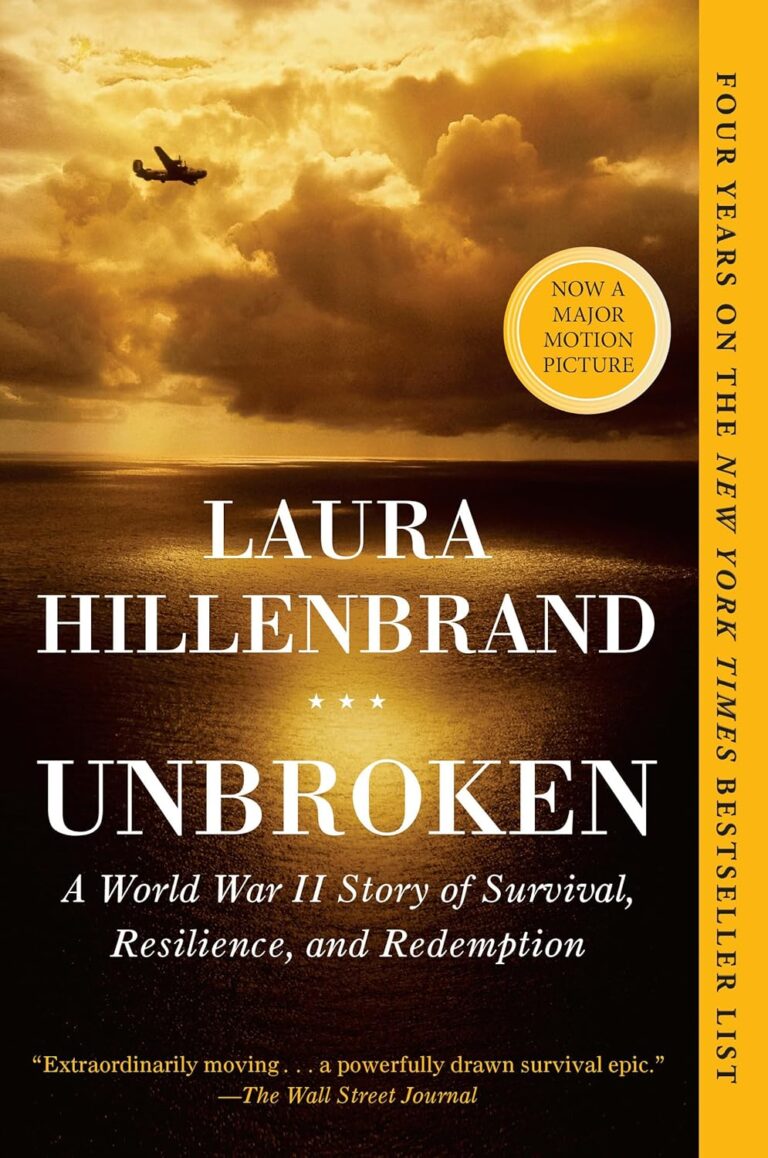
Unbroken: A World War II Story of Survival, Resilience, and Redemption
Unbroken: A World War II Story of Survival, Resilience, and Redemption 2010, Pages: 528 Genres Writer Laura Hillenbrand Characters Louie Zamperini, Russell Allen Phillips, Pete Zamperini An Olympic runner turned WWII bombardier survives a plane crash, 47 days at sea, and brutal torture as a POW, only to face his hardest battle at home: forgiving…
-
Silence
Silence 1966, Reading Time: 8-10h, Pages: 300 Genres Writer Shūsaku Endō Characters Sebastião Rodrigues, Cristóvão Ferreira, Kichijiro, Tokugawa Inoue Two 17th-century Jesuit priests journey to a Japan hostile to their faith to locate their missing mentor, only to face a test that questions the very nature of God’s presence in suffering. ☕Thus says AI: 89/100…
-
Apocalyptic | Books | Christian Fiction | Christianity | Dystopian | Fantasy | Fiction | Religion | Science Fiction | Suspense/Thriller
Left Behind: A Novel of the Earth’s Last Days
Left Behind: A Novel of the Earth’s Last Days 1995, 5h 21m Genres Authors Jerry B. Jenkins, Larry LaHaye “In the blink of an eye, millions vanished—now, the real nightmare begins for those who stayed.” ☕Our No Cap Review Left Behind in a Nutshell Left Behind is a 1995 novel by evangelical pastor Tim LaHaye and…
-
Books | Christian | Christian Living | Christian Non Fiction | Christianity | Evangelism | Faith | NonFiction | Religion
Gospeler
Gospeler: Turning Darkness into Light One Conversation at a Time Willie Robertson (author) A bold, heartfelt call to share the hope of Jesus through simple conversations that can change a life forever. Genres 224 pages, Paperback First published May 14, 2024 Our No Cap Review Plot Summary Gospeler is Willie Robertson’s personal and practical exploration…
-
Books | Business | Communication | Leadership | Management | NonFiction | Personal Development | Personal Growth | Psychology | Self Help
Never Split the Difference: Negotiating As If Your Life Depended on It
Never Split the Difference: Negotiating As If Your Life Depended on It Chris Voss (Author), Tahl Raz (co-author) Never Split the Difference is a bestselling negotiation book written by former FBI lead international hostage negotiator Chris Voss, with journalist Tahl Raz. Drawing from real high-stakes hostage scenarios, corporate negotiations, and cross-cultural conflict resolution, Voss presents…
-
The Hobbit
Middle-earth #0 The Hobbit, or There and Back Again J. R. R. Tolkein The Hobbit is a timeless fantasy adventure that follows Bilbo Baggins, a comfort-loving hobbit from the peaceful Shire, who is unexpectedly swept into a daring quest. When the wizard Gandalf arrives at his doorstep with thirteen determined dwarves led by Thorin Oakenshield,…


Explore Latest Movie Reviews
-
The King of Kings
The King of Kings The King of Kings | © 2025 Angel Studios Category None Light Moderate Heavy Profanity ✓ Violence & Gore ✓ Drug & Alcohol Use ✓ Explicit Content ✓ Spiritual Messaging ✓ 2025, 1h 41m Genres Director Seong-ho Jang Writers Seong-ho Jang, Rob Edwards Stars Oscar Isaac, Kenneth Branagh, Uma Thurman, Pierce…
-
Amazing Grace
Amazing Grace 2006, PG, 2h Genres Director Michael Apted Writers Steven Knight Stars Ioan Gruffudd, Albert Finney, Michael Gambon The idealist William Wilberforce maneuvers his way through Parliament in 19th-century England, endeavoring to end the British transatlantic slave trade. Amazing Grace: When Faith Fuels Revolution A Christian Review of the 2006 Biographical Drama 📊 Rating…
-
War Room
War Room 2015, PG, 2h Genres Director Alex Kendrick Writers Alex Kendrick, Stephen Kendrick Stars Priscilla C. Shirer, T.C. Stallings, Karen Abercrombie With her marriage on the brink of collapse, a woman discovers that she can only win the battle for her home by surrendering the fight to God in her “war room.” Is War…
-
Sound of Hope: The Story of Possum Trot
Sound of Hope: The Story of Possum Trot 2024, PG-13, 2h 10m Genres Director Joshua Weigel Writers Joshua Weigel, Rebekah Weigel Stars Nika King, Demetrius Grosse, Elizabeth Mitchell Inspired by a true story, a rural East Texas pastor and his wife ignite a movement within their small church to adopt 77 of the most difficult-to-place…
-
God’s Not Dead 2
God’s Not Dead 2 2016, PG, 2h Genres Director Harold Cronk Writers Chuck Konzelman, Cary Solomon Stars Melissa Joan Hart, Jesse Metcalfe, David A.R. White When a public high school teacher is sued for answering a student’s question about Jesus, she must fight in court to save her career and defend the right to speak…
-
God’s Not Dead
God’s Not Dead 2014, PG, 1h 53m Genres Director Harold Cronk Writers Hunter Dennis, Chuck Konzelman, Cary Solomon Stars Shane Harper, Kevin Sorbo, David A.R. White A devout Christian student must prove God’s existence in a series of debates against his atheist philosophy professor to save his grade and stand up for his faith. ☕Thus…



Explore Latest TV Show Reviews
-
Unbroken: A World War II Story of Survival, Resilience, and Redemption
Unbroken: A World War II Story of Survival, Resilience, and Redemption 2010, Pages: 528 Genres Writer Laura Hillenbrand Characters Louie Zamperini, Russell Allen Phillips, Pete Zamperini An Olympic runner turned WWII bombardier survives a plane crash, 47 days at sea, and brutal torture as a POW, only to face his hardest battle at home: forgiving…
-
Silence
Silence 1966, Reading Time: 8-10h, Pages: 300 Genres Writer Shūsaku Endō Characters Sebastião Rodrigues, Cristóvão Ferreira, Kichijiro, Tokugawa Inoue Two 17th-century Jesuit priests journey to a Japan hostile to their faith to locate their missing mentor, only to face a test that questions the very nature of God’s presence in suffering. ☕Thus says AI: 89/100…
-
Apocalyptic | Books | Christian Fiction | Christianity | Dystopian | Fantasy | Fiction | Religion | Science Fiction | Suspense/Thriller
Left Behind: A Novel of the Earth’s Last Days
Left Behind: A Novel of the Earth’s Last Days 1995, 5h 21m Genres Authors Jerry B. Jenkins, Larry LaHaye “In the blink of an eye, millions vanished—now, the real nightmare begins for those who stayed.” ☕Our No Cap Review Left Behind in a Nutshell Left Behind is a 1995 novel by evangelical pastor Tim LaHaye and…
-
Books | Christian | Christian Living | Christian Non Fiction | Christianity | Evangelism | Faith | NonFiction | Religion
Gospeler
Gospeler: Turning Darkness into Light One Conversation at a Time Willie Robertson (author) A bold, heartfelt call to share the hope of Jesus through simple conversations that can change a life forever. Genres 224 pages, Paperback First published May 14, 2024 Our No Cap Review Plot Summary Gospeler is Willie Robertson’s personal and practical exploration…
-
Books | Business | Communication | Leadership | Management | NonFiction | Personal Development | Personal Growth | Psychology | Self Help
Never Split the Difference: Negotiating As If Your Life Depended on It
Never Split the Difference: Negotiating As If Your Life Depended on It Chris Voss (Author), Tahl Raz (co-author) Never Split the Difference is a bestselling negotiation book written by former FBI lead international hostage negotiator Chris Voss, with journalist Tahl Raz. Drawing from real high-stakes hostage scenarios, corporate negotiations, and cross-cultural conflict resolution, Voss presents…
-
The Hobbit
Middle-earth #0 The Hobbit, or There and Back Again J. R. R. Tolkein The Hobbit is a timeless fantasy adventure that follows Bilbo Baggins, a comfort-loving hobbit from the peaceful Shire, who is unexpectedly swept into a daring quest. When the wizard Gandalf arrives at his doorstep with thirteen determined dwarves led by Thorin Oakenshield,…