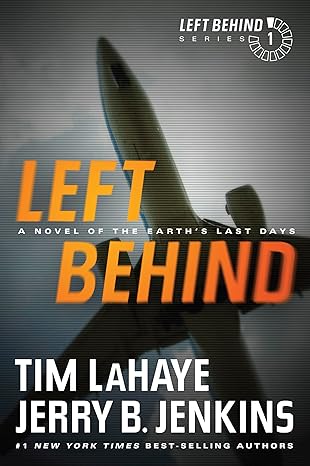
Left Behind: A Novel of the Earth’s Last Days
1995, 5h 21m
Authors
Jerry B. Jenkins, Larry LaHaye
“In the blink of an eye, millions vanished—now, the real nightmare begins for those who stayed.”
☕Our No Cap Review
Left Behind in a Nutshell
Left Behind is a 1995 novel by evangelical pastor Tim LaHaye and professional writer Jerry B. Jenkins that launched a 16-book franchise with over 65 million copies sold. The story depicts a world immediately after the Rapture—the sudden disappearance of Christians to heaven—leaving behind billions to face a seven-year tribulation under the rule of an Antichrist figure. The narrative follows four protagonists who realize the theological truth of their faith and form a resistance force called the Tribulation Force. While the series became a cultural phenomenon in evangelical Christianity, it has generated significant theological debate over its biblical accuracy and literary merit.
Plot Synopsis
On a commercial flight from London to the United States, millions of people worldwide vanish instantly, leaving behind only their clothing and possessions. Airline pilot Rayford Steele lands his plane in Chicago to discover his wife, Irene, and young son, Raymie, have vanished. His daughter Chloe, a skeptical college student, was also left behind.
Rayford meets Bruce Barnes, an assistant pastor who explains that the Rapture has occurred—the taking of true believers to heaven. A recorded message from the church’s senior pastor outlines the coming seven-year Tribulation period and the eventual appearance of the Antichrist. Cameron “Buck” Williams, an acclaimed journalist traveling on Rayford’s flight, becomes a central character as he investigates global disappearances and the rise of Nicolae Carpathia, an obscure Romanian politician who rapidly ascends to power through the United Nations.
The narrative establishes that Rayford, Chloe, and Buck all come to Christian faith after the Rapture, joining Bruce Barnes to form the Tribulation Force. Their mission: to evangelized the lost and resist Nicolae’s growing control, which they recognize as the Antichrist’s reign foretold in biblical prophecy. The first novel ends as Nicolae’s power consolidates and the characters prepare for the intensifying trials ahead.
Themes & Underlying Messages
Premillennial Dispensationalism as Theological Framework
The novel is built entirely on the framework of premillennial dispensationalist eschatology—a belief system that divides biblical history into distinct periods (“dispensations”) with different rules and promises for Israel versus the Church. This theology teaches that true Christians will be secretly raptured before a Great Tribulation, while Jews and nominal Christians remain behind to face God’s wrath. This framework is distinctive to American evangelicalism and emerged primarily from John Nelson Darby’s teachings in the 1830s. Most major Christian traditions (Catholic, Orthodox, Reformed, and many mainstream Protestant denominations) do not accept this interpretation.
The Gospel Redefined
Left Behind presents conversion as primarily intellectual assent to end-times doctrine rather than transformative acceptance of Christ’s atoning sacrifice. The novels emphasize belief in the Rapture and recognition of Nicolae as Antichrist as salvific moments. However, theological critics note that the actual gospel—Christ’s death for sin, Romans 5:8-9—receives secondary emphasis. The “sinner’s prayer” is elevated almost to sacramental status, while traditional Christian practices like baptism (Matthew 28:19-20) are notably absent despite biblical clarity on its importance for believers. Similarly, worship and prayer are depicted minimally; instead, characters spend time studying Bible prophecy.
Escapism Over Engagement
The series sends a subtle message that engaged Christian life—evangelism, mercy work, justice, cultural witness—is futile because the Antichrist’s rise is “foretold centuries before, and the drama would be played out to the end.” This produces what theologian call a separatist or withdrawalist Christianity: believers hide their faith, work covertly, and accept suffering rather than boldly proclaiming Christ. This contrasts sharply with New Testament calls for believers to be “salt and light” (Matthew 5:13-14) and the Great Commission (Matthew 28:18-20).
Divine Determinism vs. Human Responsibility
The novels minimize God’s active rescue and maximize human ingenuity and effort to “solve” the tribulation period. Rather than trusting God’s armor described in Ephesians 6:10-20 or proclaiming truth boldly, the Tribulation Force operates through espionage, sabotage, and underground networks. This subtly messages that human cleverness, not divine power, defeats evil.
Suffering and Persecution Reimagined
Classical Christian theology teaches that believers should expect persecution (1 Peter 4:12-13, 2 Timothy 3:12) and that suffering sanctifies and purifies faith. Jesus promised his followers they would face tribulation (John 16:33). However, Left Behind‘s rapture doctrine teaches that Christians will escape the “unpleasantness” of tribulation, implying that “[the rapture doctrine] can be understood to imply that ultimately God wants to shield contemporary Christians completely from the injuries of those who oppose them for taking their stand with Him.” This contradicts the historical suffering of Christian saints and martyrs, suggesting a theology shaped more by American comfort than biblical precedent.
Anti-Catholic and Anti-Jewish Undertones
The original series contains overt anti-Catholic elements: the Pope is portrayed as a liberal apostate, Catholic doctrine is mocked, and the church is depicted as spiritually compromised. Catholics are implicitly excluded from the Rapture, while it includes a “very Protestant” pope. The series also contains problematic implications about Jews, suggesting that 144,000 will convert after the Rapture (Revelation 7:4 reinterpreted)—a selective reading that some find supersessionist. Later books in the series add anti-gay bias through Nicolae’s characterization.
Content Warnings
Violence & Gore
Violence in Left Behind is largely off-page or implied. The novel depicts traffic accidents in the aftermath of the Rapture, with driverless vehicles crashing and some bloodied individuals shown. An informant is found dead in his home; a car bomb is mentioned that injures a character. The Rapture event itself causes chaos—described deaths and injuries from plane crashes, highway pile-ups, and drowning accidents are referenced without graphic description. A suicidal man is shown threatening himself but does not follow through. Overall, gore is minimal and violence is discussed more than depicted on the page.
Drug & Alcohol Use
Substance use is extremely minimal. Two men have drinks at a bar; women are shown smoking cigarettes. There is no drug use depicted or drug references beyond these casual social contexts. No intoxication, abuse, or consequences related to substances are shown.
Profanity
The novel contains virtually no strong language. A single mild obscenity (“s” word) appears once, barely audible in dialogue. The book is notably clean for adult fiction, with no F-words, GD references, or crude language.
Romantic or Explicit Content
Left Behind contains no explicit sexual content. There is romantic tension and attraction between characters, particularly Buck’s developing interest in Chloe, but nothing beyond kissing or implied attraction is shown. Hattie Durham’s relationship with Nicolae Carpathia is suggested to include a sexual component, but this is never explicitly depicted. The novel is entirely suitable for mature teenagers and adults with respect to sexual content.
Verdict: Reasons For and Against
Reasons to Read Left Behind
- Historical and Cultural Significance: With 65+ million copies sold, the series has shaped how millions of evangelical Christians understand end-times theology. Reading it provides insight into a major movement in American Christianity and contemporary apocalyptic thinking.
- Evangelistic Intent: The authors genuinely intended to share the gospel and reportedly led thousands to Christian faith. If approached with theological discernment, the narrative can spark curiosity about biblical prophecy and eschatology.
- Narrative Engagement: For readers comfortable with the premillennial dispensationalist framework, the fast-paced plot and character development provide entertainment and suspense.
- Theological Study: The series serves as a case study in how cultural assumptions shape biblical interpretation—how American comfort, Cold War anxiety, and dispensationalist tradition color reading of Revelation.
Reasons to Avoid or Approach with Caution
Unbiblical Soteriology (Doctrine of Salvation): The claim that believers can deny Christ, take the Mark of the Beast, and serve the Antichrist while remaining saved contradicts clear biblical teaching (Revelation 14:8-10; Matthew 10:32-33).
Theological Distortion: The novel presents a particular eschatological interpretation as biblical certainty when major Christian traditions (Catholic, Orthodox, Reformed) reject or substantially modify premillennialism. Readers unfamiliar with biblical hermeneutics may adopt this as “what the Bible clearly teaches” when it is actually one contested interpretation among many.
Gospel Minimization: The series subordinates Christ’s atoning death to end-times doctrine and elevates intellectual assent over transformative faith. For new believers, this can create shallow theological foundations.
Poor Literary Quality: The writing is widely critiqued as flat, dialogue-heavy, and lacking emotional resonance. If seeking quality Christian fiction, numerous superior alternatives exist.
Sectarian Bias: The series denigrates Catholics and other Christian traditions as spiritually deficient or apostate, promoting division rather than Christian unity.
Psychological Risk: The apocalyptic scenario, combined with assurances that believers will escape suffering, has caused genuine distress in some readers—particularly children—who fear they are insufficiently faithful or worry about non-evangelical family members.
Explore Latest Book Reviews
-
Unbroken: A World War II Story of Survival, Resilience, and Redemption
Unbroken: A World War II Story of Survival, Resilience, and Redemption 2010, Pages: 528 Genres Writer Laura Hillenbrand Characters Louie Zamperini, Russell Allen Phillips, Pete Zamperini An Olympic runner turned WWII bombardier survives a plane crash, 47 days at sea, and brutal torture as a POW, only to face his hardest battle at home: forgiving…
-
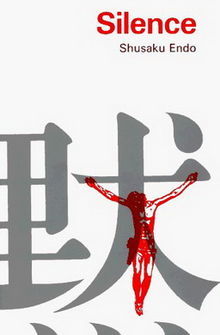
Silence
Silence 1966, Reading Time: 8-10h, Pages: 300 Genres Writer Shūsaku Endō Characters Sebastião Rodrigues, Cristóvão Ferreira, Kichijiro, Tokugawa Inoue Two 17th-century Jesuit priests journey to a Japan hostile to their faith to locate their missing mentor, only to face a test that questions the very nature of God’s presence in suffering. ☕Thus says AI: 89/100…
-
Books | Christian | Christian Living | Christian Non Fiction | Christianity | Evangelism | Faith | NonFiction | Religion
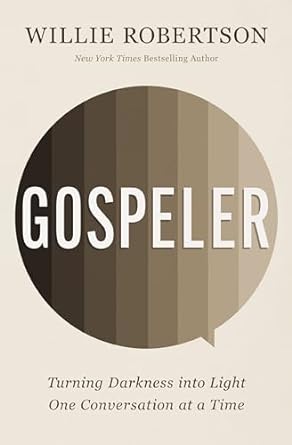
Gospeler
Gospeler: Turning Darkness into Light One Conversation at a Time Willie Robertson (author) A bold, heartfelt call to share the hope of Jesus through simple conversations that can change a life forever. Genres 224 pages, Paperback First published May 14, 2024 Our No Cap Review Plot Summary Gospeler is Willie Robertson’s personal and practical exploration…
-
Books | Business | Communication | Leadership | Management | NonFiction | Personal Development | Personal Growth | Psychology | Self Help
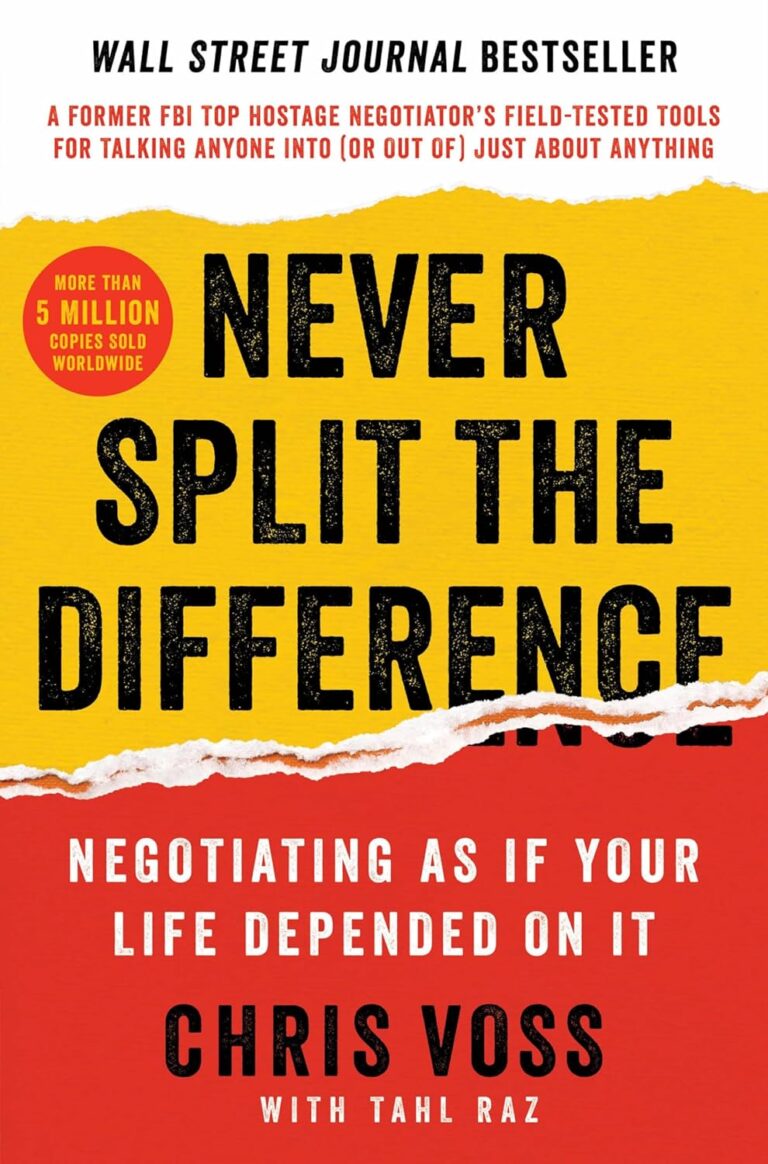
Never Split the Difference: Negotiating As If Your Life Depended on It
Never Split the Difference: Negotiating As If Your Life Depended on It Chris Voss (Author), Tahl Raz (co-author) Never Split the Difference is a bestselling negotiation book written by former FBI lead international hostage negotiator Chris Voss, with journalist Tahl Raz. Drawing from real high-stakes hostage scenarios, corporate negotiations, and cross-cultural conflict resolution, Voss presents…
-
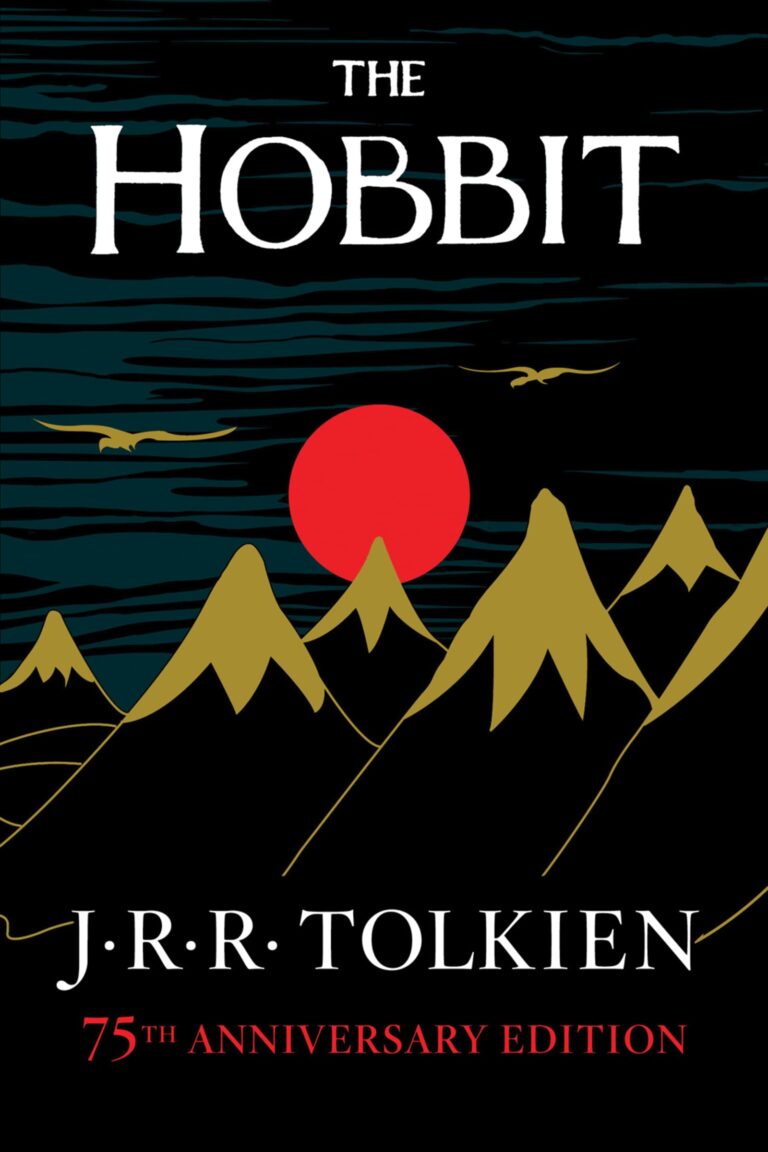
The Hobbit
Middle-earth #0 The Hobbit, or There and Back Again J. R. R. Tolkein The Hobbit is a timeless fantasy adventure that follows Bilbo Baggins, a comfort-loving hobbit from the peaceful Shire, who is unexpectedly swept into a daring quest. When the wizard Gandalf arrives at his doorstep with thirteen determined dwarves led by Thorin Oakenshield,…
Explore Latest Movie Reviews
-
The King of Kings
The King of Kings The King of Kings | © 2025 Angel Studios Category None Light Moderate Heavy Profanity ✓ Violence & Gore ✓ Drug & Alcohol Use ✓ Explicit Content ✓ Spiritual Messaging ✓ 2025, 1h 41m Genres Director Seong-ho Jang Writers Seong-ho Jang, Rob Edwards Stars Oscar Isaac, Kenneth Branagh, Uma Thurman, Pierce…
-
Amazing Grace
Amazing Grace 2006, PG, 2h Genres Director Michael Apted Writers Steven Knight Stars Ioan Gruffudd, Albert Finney, Michael Gambon The idealist William Wilberforce maneuvers his way through Parliament in 19th-century England, endeavoring to end the British transatlantic slave trade. Amazing Grace: When Faith Fuels Revolution A Christian Review of the 2006 Biographical Drama 📊 Rating…
-
War Room
War Room 2015, PG, 2h Genres Director Alex Kendrick Writers Alex Kendrick, Stephen Kendrick Stars Priscilla C. Shirer, T.C. Stallings, Karen Abercrombie With her marriage on the brink of collapse, a woman discovers that she can only win the battle for her home by surrendering the fight to God in her “war room.” Is War…
-
Sound of Hope: The Story of Possum Trot
Sound of Hope: The Story of Possum Trot 2024, PG-13, 2h 10m Genres Director Joshua Weigel Writers Joshua Weigel, Rebekah Weigel Stars Nika King, Demetrius Grosse, Elizabeth Mitchell Inspired by a true story, a rural East Texas pastor and his wife ignite a movement within their small church to adopt 77 of the most difficult-to-place…
-
God’s Not Dead 2
God’s Not Dead 2 2016, PG, 2h Genres Director Harold Cronk Writers Chuck Konzelman, Cary Solomon Stars Melissa Joan Hart, Jesse Metcalfe, David A.R. White When a public high school teacher is sued for answering a student’s question about Jesus, she must fight in court to save her career and defend the right to speak…
-
God’s Not Dead
God’s Not Dead 2014, PG, 1h 53m Genres Director Harold Cronk Writers Hunter Dennis, Chuck Konzelman, Cary Solomon Stars Shane Harper, Kevin Sorbo, David A.R. White A devout Christian student must prove God’s existence in a series of debates against his atheist philosophy professor to save his grade and stand up for his faith. ☕Thus…