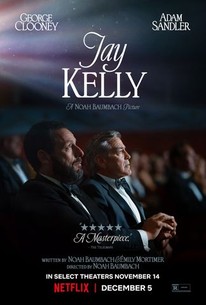
Jay Kelly
R, 2025, 2h 12m
Genres
Director
Noah Baumbach
Writer
Noah Baumbach, Emily Mortimer
Stars
George Clooney, Adam Sandler, Stanley Townsend
Jay Kelly has millions of fans, an entourage that runs his life, and a shelf full of awards, but on a train ride through Italy, he discovers he has nowhere left to go.
Our No Cap Review
☕Review on the Go
Yes or No: Should You Watch This?
Yes. For many mature Christians, “Jay Kelly” can be worthwhile as a sobering, thoughtful “examination of conscience,” but its R-rated language and sexual references mean it is not for teens or the easily influenced.
“Jay Kelly” in a Nutshell
“Jay Kelly” is a 2025 Netflix comedy‑drama from Noah Baumbach, following an aging movie star (George Clooney) wandering through Europe, reckoning with his career, broken relationships, and the cost of fame. It plays more like a midlife spiritual inventory than a typical Hollywood romp, echoing Christ’s question, “What does it profit a man to gain the whole world and forfeit his soul?” in Mark 8:36.
Plot Synopsis
After finishing his latest film, Jay Kelly tries and fails to connect with his college‑bound daughter, Daisy, only to learn that the director who launched his career, Peter Schneider, has died. That loss triggers a spur‑of‑the‑moment trip through Europe—tied to a career‑tribute in Tuscany—where Jay chases his daughter, relives past sins, and watches his carefully built myth crumble scene by scene.
Along the way, he reconnects with his old roommate Tim in a bar confrontation, becomes a viral “hero” after chasing down a biker who steals a handbag, and finally faces a highlight reel of his life’s work as his inner emptiness catches up with him. The film ends not with a neat conversion, but with Jay’s quiet, broken desire to “go again” and do life differently—a subtle, grace‑tinged note, but not explicit repentance.
Any Major Concerns Right off the Bat?
The film earns its R rating with frequent strong profanity and crude dialogue, plus adult themes of infidelity, divorce, and emotional neglect. For viewers used to “whatever is pure” in Philippians 4:8, this is not background noise; it can desensitize the conscience if taken lightly, in the way Ephesians 5:4 warns against “obscenity, foolish talk or coarse joking.”
There is no graphic violence or explicit sexual nudity, but the moral world is thoroughly secular, treating divorce, serial relationships, and adult drinking as normal, even as it critiques their consequences. Parents should know this is not a family movie; it’s a middle‑aged man’s messy, often uncomfortable self‑audit, better suited for discerning adults who can weigh its spiritual questions against Scripture.
Content Warnings
Violence & Gore
Violence is minimal and mostly situational or off‑screen: an argument in a bar between Jay and his old roommate Tim escalates into a confrontation that leaves Jay with a black eye. There is also a scene where Jay chases down a biker who snatches a woman’s handbag; the scuffle is brief and played more as farce than brutality, though it generates a viral “hero” clip.
No gore is shown, and the camera is more interested in bruised egos and hearts than bruised bodies. Still, the bar confrontation is fueled by bitterness and unresolved sexual history, which may be more spiritually corrosive than any punch thrown.
Drug & Alcohol Use
Alcohol is present in several social settings—bars, parties, European dinners—as part of the film’s adult world of success, grief, and escapism. Characters drink casually and sometimes while processing deep emotional pain, reflecting a culture that reaches for the bottle before reaching for God.
Recreational drug use is not a central focus, and there is no glamorized substance abuse among minors. However, the overall environment normalizes self‑medication through alcohol, which Christians should weigh carefully in light of warnings against drunkenness in Ephesians 5:18, even as Scripture allows moderate, non‑enslaving use.
Profanity
Profanity and crude language are frequent and varied, including many uses of strong swear words and misuses of God’s name. The parents’ guide notes a high tally of explicit terms, befitting a jaded Hollywood milieu where people vent with their mouths before they think with their hearts, in direct contrast to James 3’s warning about the tongue.
There are also sarcastic, disrespectful lines such as Daisy telling Jay that her “ten‑year‑old self is giving you the finger,” which reinforces a climate of flippant contempt rather than honoring father and mother. For believers sensitive to language, this will be the main stumbling block and a legitimate reason to skip the film.
Sexual or Romantic Content
Sexual content is mostly verbal and situational rather than visually explicit, but the backstory assumes a life of serial romantic and sexual entanglements. Jay’s failed marriages, past affairs, and relational debris come out in tense conversations—particularly with Tim, who confronts him about a girlfriend Jay dated after him and the role that made Jay famous.
There are crude jokes and references, including a man joking about urinating on the road and a daughter making an obscene gesture comment to her father. The film does not present a biblical ethic of sex confined to covenant marriage (Hebrews 13:4); instead, it shows the relational shrapnel of a life lived otherwise, which a discerning Christian can read as a kind of common‑grace warning.
Other Concerns
The movie depicts deep emotional neglect, especially in Jay’s relationship with his children, and uses humor to soften painful realities like divorce, career idolatry, and absentee fatherhood. While the film critiques these patterns, some viewers may find the tone too ironic or self‑aware, as if confession is enough without repentance.
There is also a gentle but real temptation to envy the glamorous travel, wealth, and influence on display, even as the story shows their emptiness—something the film wrestles with, but not always at the level of biblical repentance and faith in Christ.
Why or Why Not You Should Watch This
“Jay Kelly” is, in many ways, a secular parable of a rich man discovering—late—that his barns are full and his soul is thin, echoing Luke 12’s warning about storing up treasure for self and not being rich toward God. For mature believers, it can function as a mirror, prompting serious self‑examination about career, family, and the idols that quietly run our calendars.
However, the film offers no explicit gospel: there is conviction, but no clear Christ; regret, but no repentance and faith. Because of the heavy profanity and adult themes, this is not essential viewing, and many Christians will do well to simply skip it; those who do watch should do so as a case study in common grace and human brokenness, with an open Bible and a guarded heart.
📝 Full Review
Director & Writers: Background, Beliefs & Worldview
Noah Baumbach, known for “Marriage Story,” “The Meyerowitz Stories,” and co‑writing “Barbie,” often explores divorce, fractured families, and midlife regrets from a largely secular, neurotic New York perspective. His work tends to highlight the consequences of selfishness and ambition without preaching, offering sharp observation rather than overt theology—a kind of cinematic “law” without explicit “gospel.”
“Jay Kelly,” co‑written with Emily Mortimer, fits that pattern: it scrutinizes fame, fatherhood, and failure with empathy and irony, but assumes a post‑Christian cultural frame where sin is mostly against self and others, not first against a holy God. Christians can receive this as an honest diagnosis of the human condition, while recognizing that it stops short of the supernatural remedy Scripture calls regeneration and special grace.
The Core Message: Biblical Resonance or Secular Worldview?
At its core, “Jay Kelly” asks whether a life built on applause, work, and romantic adventure can satisfy, and its answer leans toward “no”—a strong resonance with Ecclesiastes’ sense of vanity under the sun. Jay discovers that every crucial crossroad found him choosing ambition over friendship and fame over family, echoing the tragic exchange of Romans 1 where created things replace the Creator.
Yet the film interprets redemption largely as self‑knowledge and emotional honesty, not reconciliation with God through Christ. In biblical terms, this is like stopping at conviction without turning to the Savior: helpful as common grace, but spiritually incomplete, similar to Herod gladly hearing John yet unwilling to repent.
Themes & Messages of the Movie
Major themes include:
- The emptiness of fame and success
- The cost of selfishness on family and friends
- The longing for a second chance
Jay’s journey through Europe unfolds as a series of encounters where lies are exposed, humble‑brags are punctured, and broken relationships confront him like living parables of his failures. This lines up with Scripture’s insistence that “whatever one sows, that will he also reap” in Galatians 6:7, even if the film never names it as sowing to the flesh.
Another theme is the possibility of late‑in‑life softening: as Jay’s career unravels, his heart slowly breaks open, reminiscent of the “godly grief” that can lead to repentance in 2 Corinthians 7:10, though the film stops short of showing repentance before God. Viewers will need to supply the missing dimension: sorrow for sin against God, not merely regret over a legacy.
Iconic Scenes and How Biblical Are They?
The Bar Confession with Tim
In the bar scene with Tim, Jay’s old roommate confronts him about the girlfriend they both were involved with and the role that made Jay famous, peeling back decades of resentment and hidden sin. The argument escalates until it turns physical, leaving Jay marked not just with a black eye, but with a visible sign that his success rode on broken trust.
From a biblical perspective, this is a living example of Numbers 32:23—“your sin will find you out”—and the relational wreckage that follows sexual immorality and betrayal. The film does not call this adultery or fornication in biblical terms, but the ache in Tim’s accusations illustrates why Scripture guards sex within marriage for the good of all involved.
The Handbag Chase and Viral Clip
When a biker snatches a woman’s handbag, Jay impulsively chases him down, retrieves the bag, and suddenly becomes a social‑media hero as the clip goes viral. This moment of genuine courage is quickly co‑opted into PR, showing how even real good deeds can feed ego and brand more than character.
Christians may see an echo of Matthew 6, where Jesus warns against practicing righteousness “to be seen by others.” The deed is good; the hunger for praise, less so—a reminder that good works without a God‑ward orientation can still become fuel for pride.
The Final Tribute Reel
At the climax, Jay stands in an opera house in Tuscany watching a highlight reel of his performances, intercut with footage of his ex‑wife Jessica and daughter Daisy as children. The camera lingers on Clooney’s face as every joy, loss, guilt, and hint of grace passes over him, culminating in his quiet, aching line to the camera: “Can I go again? I’d like another one.”
It’s a powerful picture of what theologians might call an “examined life”—almost a cinematic version of standing before a judgment seat, though without the Judge. A Christian viewer might think of Hebrews 9:27 and 2 Corinthians 5:10, sensing how tragic it is to ask for “another one” when Scripture says we die once and then face judgment; the film stirs that longing but never names the One who offers new birth, not just a redo.
Main Characters: Are They Positive or Negative Role Models?
The film excels at showing flawed, believable people rather than simple heroes or villains, which aligns with Scripture’s honest depiction of human sin and complexity. Christians should resist romanticizing any of them, instead asking: “In what ways am I like Jay? Like Daisy? Like Ron?”
Why Was This Movie Made?
Critics note that “Jay Kelly” fits Baumbach’s ongoing interest in midlife crisis and self‑scrutiny, but with an unusually explicit moral and even quasi‑biblical frame—one Catholic critic calls it a two‑hour meditation on Mark 8:36. The aim seems to be not satire of celebrity alone, but a genuine exploration of what happens when a man finally “smells his own stink,” and lets the myth collapse.
This makes the film more of an “examination of conscience” than a plot‑driven comedy. Yet, consistent with Baumbach’s secular bent, it leaves spiritual questions open‑ended, inviting viewers to supply their own answers rather than presenting a clear transcendent solution.
Critics Responses
Early responses from mainstream critics highlight Clooney’s performance and the film’s introspective tone, comparing it to “8½” and “The Great Beauty”—films about artists wrestling with meaning. Some Christian commentators appreciate its seriousness about sin, guilt, and legacy, seeing in it an unusual willingness, for Netflix, to invoke Christ’s words and explore the soul’s peril.
At the same time, others note that Hollywood examining itself can become another form of self‑flattery, as if deep regret equals redemption. For Christian viewers, the cultural value here is in how it surfaces the hollowness of success narratives that dominate our society, from influencer culture to corporate ladders.
Recommended Scenes for Biblical Reflection
Recommended Scenes for Discussion
- The bar confrontation with Tim: Talk about betrayal, sexual ethics, and how unconfessed sin poisons friendships over decades (Proverbs 28:13).
- The handbag chase and viral fame: Discuss motives for good works, social‑media virtue, and Matthew 6’s warnings about practicing righteousness to be seen.
- The tribute reel and “Can I go again?”: Reflect on judgment, regret, and the difference between wanting a do‑over and receiving new life in Christ (John 3; 2 Corinthians 5:17).
These scenes, watched with discernment and Scripture open, can spark rich questions about calling, repentance, and what a truly “good life” looks like in the Kingdom of God.
Similar Movies to “Jay Kelly”
For Christians who want similar thematic depth—with varying levels of content—consider:
- “A Man for All Seasons” (1966): A portrait of conscience under pressure, centered on Sir Thomas More’s costly stand for truth.
- “The Great Beauty” (2013): A visually lavish but spiritually searching look at a jaded writer facing the emptiness of his glamorous life; content is heavier, so use caution.
- “The Meyerowitz Stories” (2017): Also by Baumbach, exploring family wounds and aging, with similar strengths and language concerns.
If you want something that presses similar questions but with a clearer Christian compass and less objectionable content, older films like “Chariots of Fire” or “Shadowlands” offer moving portraits of vocation, suffering, and faith with far fewer compromises.
Fun Facts
“Jay Kelly” reunites Baumbach with Netflix after “Marriage Story,” again leveraging streaming to tell a long, talky character study that might struggle in theaters today. Clooney’s performance has been praised as one of his best in years, in part because he leans into his own star persona and lets it be gently dismantled.
The film has drawn comparison not only to Fellini and Sorrentino, but also to older conscience‑driven dramas like “A Man for All Seasons,” signaling that even a secular industry occasionally remembers that souls are on the line. That alone is an interesting cultural moment for Christians to note, even if they opt not to watch.
Explore Latest Book Reviews
-
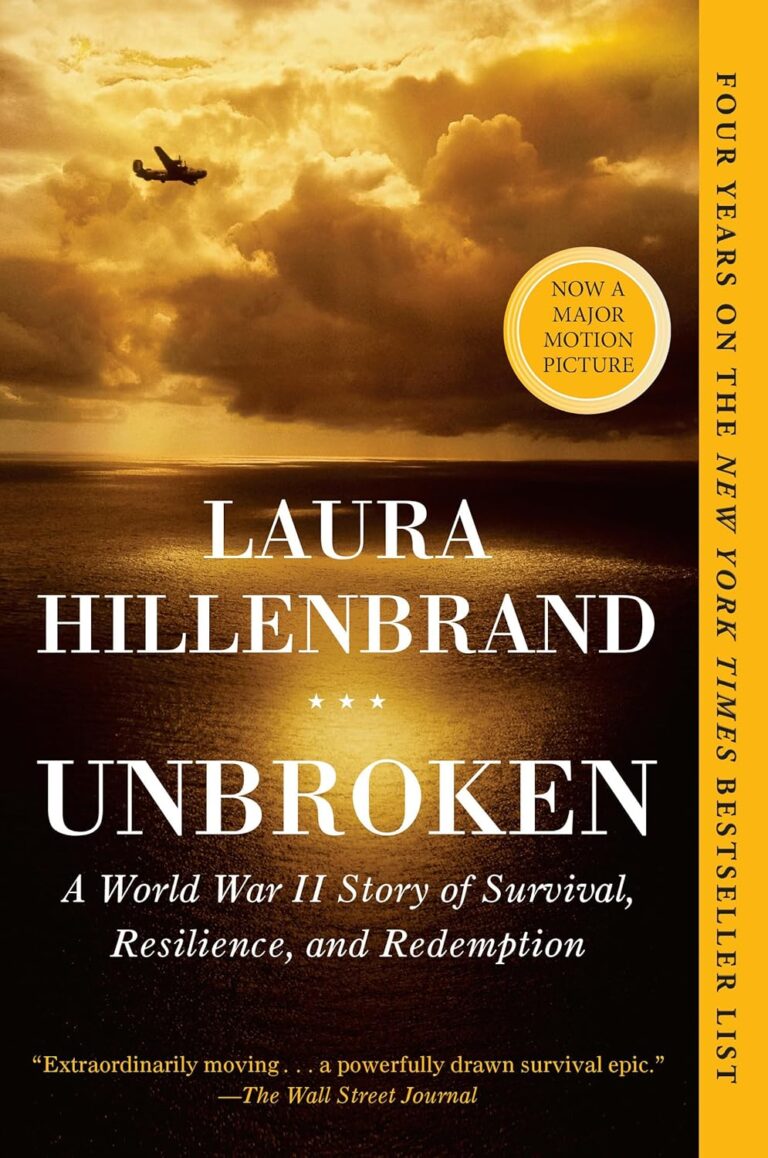
Unbroken: A World War II Story of Survival, Resilience, and Redemption
Unbroken: A World War II Story of Survival, Resilience, and Redemption 2010, Pages: 528 Genres Writer Laura Hillenbrand Characters Louie Zamperini, Russell Allen Phillips, Pete Zamperini An Olympic runner turned WWII bombardier survives a plane crash, 47 days at sea, and brutal torture as a POW, only to face his hardest battle at home: forgiving…
-
Silence
Silence 1966, Reading Time: 8-10h, Pages: 300 Genres Writer Shūsaku Endō Characters Sebastião Rodrigues, Cristóvão Ferreira, Kichijiro, Tokugawa Inoue Two 17th-century Jesuit priests journey to a Japan hostile to their faith to locate their missing mentor, only to face a test that questions the very nature of God’s presence in suffering. ☕Thus says AI: 89/100…
-
Apocalyptic | Books | Christian Fiction | Christianity | Dystopian | Fantasy | Fiction | Religion | Science Fiction | Suspense/Thriller
Left Behind: A Novel of the Earth’s Last Days
Left Behind: A Novel of the Earth’s Last Days 1995, 5h 21m Genres Authors Jerry B. Jenkins, Larry LaHaye “In the blink of an eye, millions vanished—now, the real nightmare begins for those who stayed.” ☕Our No Cap Review Left Behind in a Nutshell Left Behind is a 1995 novel by evangelical pastor Tim LaHaye and…
-
Books | Christian | Christian Living | Christian Non Fiction | Christianity | Evangelism | Faith | NonFiction | Religion
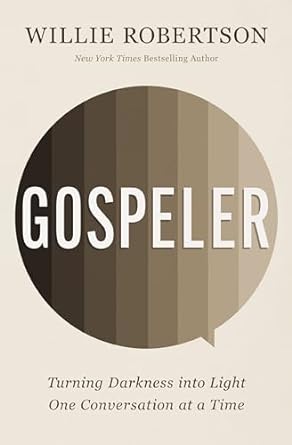
Gospeler
Gospeler: Turning Darkness into Light One Conversation at a Time Willie Robertson (author) A bold, heartfelt call to share the hope of Jesus through simple conversations that can change a life forever. Genres 224 pages, Paperback First published May 14, 2024 Our No Cap Review Plot Summary Gospeler is Willie Robertson’s personal and practical exploration…
-
Books | Business | Communication | Leadership | Management | NonFiction | Personal Development | Personal Growth | Psychology | Self Help
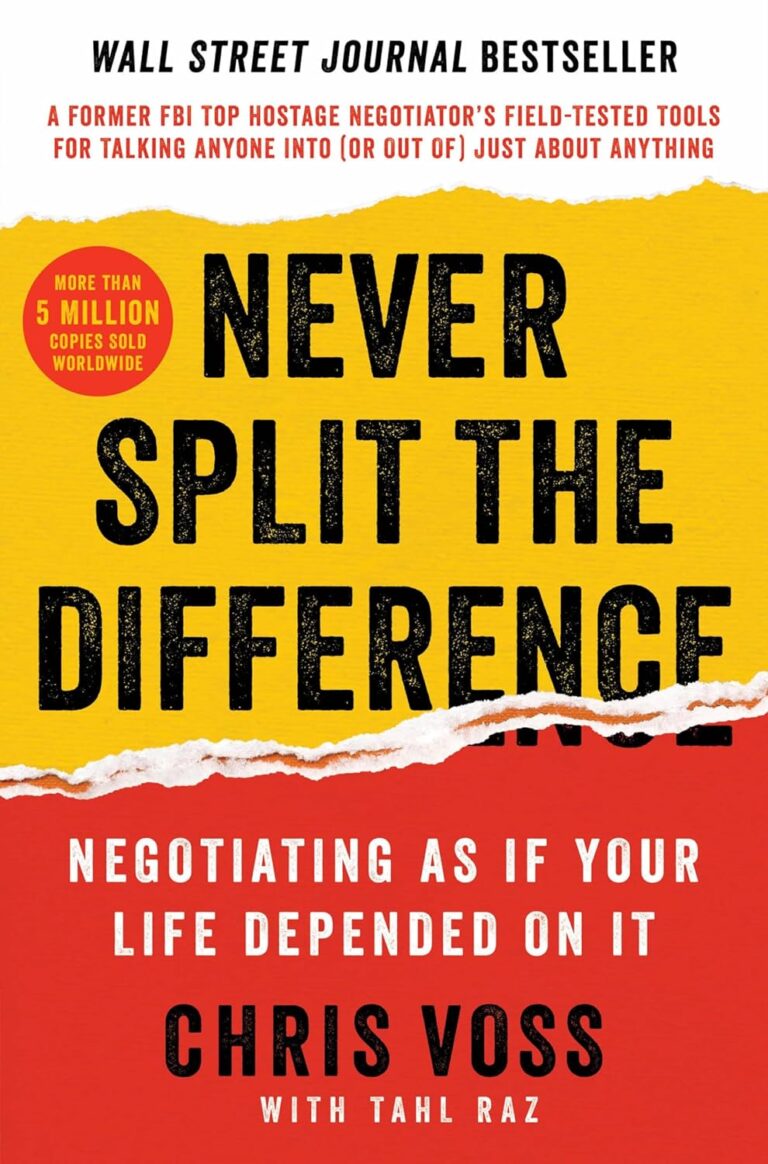
Never Split the Difference: Negotiating As If Your Life Depended on It
Never Split the Difference: Negotiating As If Your Life Depended on It Chris Voss (Author), Tahl Raz (co-author) Never Split the Difference is a bestselling negotiation book written by former FBI lead international hostage negotiator Chris Voss, with journalist Tahl Raz. Drawing from real high-stakes hostage scenarios, corporate negotiations, and cross-cultural conflict resolution, Voss presents…
-
The Hobbit
Middle-earth #0 The Hobbit, or There and Back Again J. R. R. Tolkein The Hobbit is a timeless fantasy adventure that follows Bilbo Baggins, a comfort-loving hobbit from the peaceful Shire, who is unexpectedly swept into a daring quest. When the wizard Gandalf arrives at his doorstep with thirteen determined dwarves led by Thorin Oakenshield,…


Explore Latest Movie Reviews
-
The King of Kings
The King of Kings The King of Kings | © 2025 Angel Studios Category None Light Moderate Heavy Profanity ✓ Violence & Gore ✓ Drug & Alcohol Use ✓ Explicit Content ✓ Spiritual Messaging ✓ 2025, 1h 41m Genres Director Seong-ho Jang Writers Seong-ho Jang, Rob Edwards Stars Oscar Isaac, Kenneth Branagh, Uma Thurman, Pierce…
-
Amazing Grace
Amazing Grace 2006, PG, 2h Genres Director Michael Apted Writers Steven Knight Stars Ioan Gruffudd, Albert Finney, Michael Gambon The idealist William Wilberforce maneuvers his way through Parliament in 19th-century England, endeavoring to end the British transatlantic slave trade. Amazing Grace: When Faith Fuels Revolution A Christian Review of the 2006 Biographical Drama 📊 Rating…
-
War Room
War Room 2015, PG, 2h Genres Director Alex Kendrick Writers Alex Kendrick, Stephen Kendrick Stars Priscilla C. Shirer, T.C. Stallings, Karen Abercrombie With her marriage on the brink of collapse, a woman discovers that she can only win the battle for her home by surrendering the fight to God in her “war room.” Is War…
-
Sound of Hope: The Story of Possum Trot
Sound of Hope: The Story of Possum Trot 2024, PG-13, 2h 10m Genres Director Joshua Weigel Writers Joshua Weigel, Rebekah Weigel Stars Nika King, Demetrius Grosse, Elizabeth Mitchell Inspired by a true story, a rural East Texas pastor and his wife ignite a movement within their small church to adopt 77 of the most difficult-to-place…
-
God’s Not Dead 2
God’s Not Dead 2 2016, PG, 2h Genres Director Harold Cronk Writers Chuck Konzelman, Cary Solomon Stars Melissa Joan Hart, Jesse Metcalfe, David A.R. White When a public high school teacher is sued for answering a student’s question about Jesus, she must fight in court to save her career and defend the right to speak…
-
God’s Not Dead
God’s Not Dead 2014, PG, 1h 53m Genres Director Harold Cronk Writers Hunter Dennis, Chuck Konzelman, Cary Solomon Stars Shane Harper, Kevin Sorbo, David A.R. White A devout Christian student must prove God’s existence in a series of debates against his atheist philosophy professor to save his grade and stand up for his faith. ☕Thus…