
Phonographic Copyright ℗
Reach Records
Cry (Album)
Hulvey
Released September 13, 2024
Genres
Label
Reach Records
A vulnerable, melodic journey through spiritual desperation and the beauty of fully surrendering to God.
🎵 When Tears Become Prayers: A Biblical Deep-Dive into Hulvey’s “CRY”
⭐ Rating: Thus Says AI – 82/100
This rating reflects CRY‘s theological depth, artistic excellence, and spiritual authenticity. Hulvey crafts a vulnerable worship experience that marries hip-hop credibility with Christ-centered intentionality. The album stumbles occasionally with uneven production, but its raw honesty elevates it above typical Christian rap fare.
📊 Review Summary
| Concern | Level | Notes |
|---|---|---|
| Violence | Minimal | Brief references to spiritual warfare and persecution |
| Language | Clean | No profanity; theologically rich vocabulary |
| Drug Use | None | Not present |
| Explicit Content | None | No romantic or sexual content |
| Spiritual Messaging | Excellent | Gospel-centered, theologically sound, worship-focused |
| Verdict | Highly Recommended | Strong discipleship tool for young adults seeking authentic faith expression |
🎧 CRY in a Nutshell
🎵 Album Name: CRY (Communion, Reflection, Yearning)
📺 Genre: Christian Hip-Hop, Worship Rap, Gospel
⏱️ Length: 41 minutes
🔢 Number of Songs: 17
📅 Release: September 13, 2024
🎛️ Record Label: Reach Records
🎤 Featured Artists: Forrest Frank, Torey D’Shaun, Samm Henshaw, Alex Jean
💿 Artist: Christopher Michael Hulvey (Hulvey)
🏆 Notable Achievement: “Altar” peaked at #25 on Billboard’s Hot Christian Songs; RIAA Gold certified
🎭 Thematic Structure: Three-act spiritual journey divided into chapters
🎶 Overview
Vulnerability becomes worship in Hulvey’s sophomore masterpiece. The Brunswick, Georgia native doesn’t just rap. He bleeds authenticity.
According to Hulvey, he found himself weeping at God’s goodness while writing this project. That emotional honesty saturates every bar. Unlike worship albums that feel manufactured, CRY pulses with lived experience.
The album’s structure mirrors the believer’s spiritual walk. COMMUNION opens with surrender. REFLECTION examines God’s perspective versus ours. YEARNING culminates in desperate dependence. It’s discipleship set to 808s.
Production-wise, Hulvey showcases range. World Hunger’s bass drop hits like conviction. True channels early 2000s R&B smoothness. Top Spinnin features live instrumentation that breathes organic warmth. Each track serves the album’s thesis: every drop means something.
Rapzilla notes that Hulvey’s collaboration with Reach Records labelmates and indie artists creates sonic diversity. Yet the album never loses its vertical focus. God remains the audience.
What distinguishes CRY from Christian rap’s crowded landscape? Hulvey refuses prosperity gospel narratives. Poor Party celebrates contentment despite poverty. Letter 2 The Game challenges hip-hop’s materialism. This isn’t sanitized Christianity. It’s cruciform theology with street credibility.
The closing track Altar—featuring Forrest Frank—became a cultural moment. Its music video garnered 7.2 million views, proving worship rap can penetrate mainstream consciousness without compromising the gospel.
CRY works because Hulvey doesn’t perform faith. He processes it publicly. That transparency invites listeners into their own spiritual inventory.
🔥 Themes & Messages of Cry
1. Sacred Vulnerability Through Tears
Hulvey reframes crying as spiritual practice. The album title itself—an acronym for Communion, Reflection, Yearning—positions emotional expression as pathway to God.
Biblical Resonance: This echoes Psalm 56:8, where David declares God collects our tears in a bottle. The psalmist understood weeping as language God fluently speaks. Psalm 42:3 describes tears as daily bread during spiritual drought. Hulvey recovers this biblical tradition, countering toxic masculinity that demands emotional stoicism. Jesus wept (John 11:35). Hulvey follows His example. The album suggests brokenness before God demonstrates strength, not weakness. This aligns with 2 Corinthians 12:9-10, where Paul boasts in weakness so Christ’s power rests on him.
2. Spiritual Hunger Versus Material Poverty
Tracks like World Hunger and Poor Party confront economic injustice while celebrating spiritual richness.
Biblical Resonance: Jesus’ Beatitudes declare the poor blessed (Matthew 5:3). Hulvey doesn’t romanticize poverty—he acknowledges its pain—but refuses to worship wealth. This mirrors Philippians 4:11-13, where Paul learns contentment in every circumstance through Christ’s strength. The album challenges prosperity theology that equates blessing with bank accounts. Instead, Hulvey asks the haunting question: who feeds the world’s hunger? Only Christ satisfies (John 6:35). Material lack doesn’t indicate spiritual poverty. Hulvey’s Poor Party celebrates finding joy despite empty wallets, echoing James 2:5: God chose the poor to be rich in faith.
3. The Altar as Transformative Space
The album’s anchor track—Altar—presents God’s presence as purifying furnace where shame burns away.
Biblical Resonance: Old Testament altars served as meeting places between holy God and sinful humanity. Leviticus details elaborate sacrificial systems pointing toward Christ’s ultimate sacrifice (Hebrews 10:10). According to Rapzilla, Hulvey describes Altar as returning to what life’s truly about: knowing the Father and reflecting His undeserved grace. The lyrics reference washing shame at the altar, connecting to 1 John 1:9—if we confess, God faithfully forgives and cleanses. A Medium review notes the song delivers the gospel message clearly: mankind’s sin problem, our need for God, and salvation through the greatest exchange. Romans 12:1 calls believers to present bodies as living sacrifices. Hulvey’s altar isn’t a physical structure but Christ Himself—the mercy seat where God’s wrath and love meet.
4. Anxiety as Spiritual Battlefield
The track Anxiety confronts mental health struggles with theological honesty.
Biblical Resonance: Philippians 4:6-7 commands: “Do not be anxious about anything, but in everything by prayer…present your requests to God.” Hulvey doesn’t minimize anxiety’s reality. Instead, he models casting cares on God (1 Peter 5:7). According to a student reviewer, the song’s bass-heavy production matches anxiety’s oppressive weight. But Hulvey doesn’t let anxiety win. He calls believers to prevent anxiety from spreading to others through bad attitudes. This echoes Romans 12:2—renewing minds transforms behavior. Mental health struggles don’t disqualify faith. They create opportunities for God’s sustaining grace.
5. Perseverance Through Divine Perspective
The REFLECTION chapter contrasts human self-perception with God’s view.
Biblical Resonance: 1 Samuel 16:7 teaches God sees hearts while humans see appearances. Hulvey wrestles with self-worth, ultimately resting in his identity as God’s child. This mirrors Ephesians 1:4-6: God chose us before creation’s foundation and predestined us for adoption. Negative self-talk—what Hulvey confronts—opposes God’s declaration over believers. Romans 8:1 proclaims no condemnation for those in Christ. The REFLECTION interlude reminds listeners: when we think poorly of ourselves, we’re disagreeing with God’s assessment. Our worth isn’t performance-based but grace-secured.
🎵 Track Examples & Biblical Analysis
1. COMMUNION (Opening Interlude)
The album opens with spoken word poetry over minimalist production. Le’Roy Broner II establishes the thesis with contemplative gravity, inviting listeners into vulnerable space. His words paint emotional release as spiritual necessity. Hulvey follows, transforming the thesis into melodic prayer. The track lasts barely forty seconds but sets the entire album’s trajectory.
Biblical Analysis: Communion references the Lord’s Supper—that sacred meal remembering Christ’s broken body and shed blood (1 Corinthians 11:23-26). But communion means more than ritual. It’s intimate fellowship with God (1 John 1:3). Hulvey positions this as the album’s foundation. Before reflection or yearning comes communion—meeting God at His table. Revelation 3:20 pictures Jesus knocking, desiring to dine with those who open the door. Broner’s spoken word declares Jesus alone heals and makes new, echoing 2 Corinthians 5:17: in Christ, the old passes away; the new comes. The invitation to “bring our burdens to the feet of the only One” mirrors Matthew 11:28, where Jesus invites the weary to find rest. Hulvey’s refrain transforms tears into worship language. This connects to Psalm 56:8, where David declares God collects our tears in a bottle—suggesting God values every drop of human sorrow. The phrase “let every tear be a prayer” reframes emotional expression as spiritual discipline. Forty seconds suffice to establish spiritual geography. We begin at the table.
2. World Hunger
Hulvey tackles systemic injustice and spiritual starvation. The track contrasts physical hunger with humanity’s deepest need: God Himself. A student reviewer notes the beat shifts from bass-heavy to upbeat, mirroring the tension between present suffering and future hope.
Biblical Analysis: The song’s central question—”Who could feed the world?”—finds answer in Jesus, the Bread of Life (John 6:35). Jesus fed 5,000 with minimal resources (Matthew 14:13-21), demonstrating His ability to satisfy humanity’s hunger. But Hulvey goes deeper. He criticizes Christians who ignore the poor while claiming faith. James 2:14-17 demolishes faith without works: “If a brother or sister is poorly clothed and lacking in daily food, and one of you says to them, ‘Go in peace, be warmed and filled,’ without giving them the things needed for the body, what good is that?” A lyrics analysis site notes the song echoes Matthew 25:40—serving the least equals serving Christ. The track also references eternal life, connecting to John 3:16 and Romans 6:23. Physical and spiritual hunger converge. Only Christ satisfies both.
3. Poor Party (From CRY album)
Hulvey celebrates finding joy despite financial struggle. The beat’s happy energy contrasts with lyrics about poverty, demonstrating contentment transcends circumstances.
Biblical Analysis: This track embodies Philippians 4:12: “I know how to be brought low, and I know how to abound. In any and every circumstance, I have learned the secret of facing plenty and hunger, abundance and need.” Hulvey rejects materialism’s lie that money buys love or belonging. Matthew 6:19-21 warns against storing earthly treasures where moth and rust destroy. Hulvey’s childhood poverty becomes testimony, not tragedy. He learned what Hebrews 13:5 commands: “Be content with what you have, for he has said, ‘I will never leave you nor forsake you.'” The song challenges American Christianity’s entanglement with prosperity theology. Jesus pronounced blessing on the poor in spirit (Matthew 5:3), not the wealthy in wallet. Hulvey’s Poor Party inverts worldly values, celebrating kingdom richness despite economic poverty.
4. True (From CRY album)
Hulvey describes this as a dual love song—simultaneously about God and his wife Rachael. The production channels early 2000s R&B smoothness.
Biblical Analysis: This dual focus reflects sound theology. Ephesians 5:22-33 parallels marriage with Christ and the church. Earthly marriage mirrors divine covenant. Hulvey experiences God’s love through his wife’s faithfulness, demonstrating 1 John 4:7-8: “Beloved, let us love one another, for love is from God, and whoever loves has been born of God and knows God.” The song’s title—True—references unchanging divine character. Malachi 3:6 declares God doesn’t change. James 1:17 calls Him the Father of lights “with whom there is no variation or shadow due to change.” According to Hulvey himself, he found unconditional love in Christ and sees Him reflected in how his wife loves him. This echoes Song of Solomon, which celebrates romantic love while pointing toward God’s passionate pursuit of His people.
5. Letter 2 The Game (From CRY album)
Hulvey confronts hip-hop culture’s conventions, challenging materialistic values.
Biblical Analysis: This prophetic track recalls Amos confronting Israel’s social injustice. Hip-hop often glorifies wealth accumulation, sexual conquest, and violent reputation. Hulvey stands as dissenting voice. Romans 12:2 commands: “Do not be conformed to this world, but be transformed by the renewal of your mind.” The track embodies 1 John 2:15-17‘s warning: “Do not love the world or the things in the world. If anyone loves the world, the love of the Father is not in him.” Hulvey doesn’t abandon hip-hop’s form but transforms its content. Like Paul on Mars Hill (Acts 17:22-31), he engages culture while declaring Christ’s supremacy. Plugged In notes Hulvey and Frank let listeners know money isn’t life’s priority—one lyric mentions turning down a million to be home with family. This reflects 1 Timothy 6:10: love of money roots all evil. Hulvey’s letter challenges the game to pursue higher treasures.
6. Anxiety (From CRY album)
Deeper, bass-heavy production underscores this vulnerable examination of mental health struggles.
Biblical Analysis: Hulvey doesn’t offer trite “just pray more” platitudes. He acknowledges anxiety’s crushing weight while pointing toward Christ’s sustaining power. Philippians 4:6-7 provides the framework: “Do not be anxious about anything, but in everything by prayer and supplication with thanksgiving let your requests be made known to God. And the peace of God, which surpasses all understanding, will guard your hearts and your minds in Christ Jesus.” The command isn’t to never feel anxiety—it’s to bring anxiety to God. Matthew 11:28 invites the weary and burdened to find rest in Christ. Hulvey models this casting of cares (1 Peter 5:7). The song also addresses anxiety’s contagious nature. One reviewer notes Hulvey challenges listeners to prevent anxiety from spreading through negative attitudes. This reflects Proverbs 12:25: “Anxiety in a man’s heart weighs him down, but a good word makes him glad.”
7. YEARNING (Interlude)
The final chapter opens with water sounds and rain imagery.
Biblical Analysis: Hulvey describes rain as his favorite weather, suggesting raindrops are heaven’s tears. This beautifully echoes Revelation 21:4: “He will wipe away every tear from their eyes, and death shall be no more, neither shall there be mourning, nor crying, nor pain anymore.” The water sounds evoke John 4:14—Jesus’ promise of living water springing to eternal life. Yearning captures the believer’s tension: already saved yet not yet glorified. Romans 8:23 describes groaning inwardly while waiting for adoption as sons. Psalm 42:1-2 captures this longing: “As a deer pants for flowing streams, so pants my soul for you, O God. My soul thirsts for God, for the living God.” Worldly pleasures satisfy temporarily. Only Christ satisfies eternally. This interlude positions the album’s conclusion: all roads lead to the altar.
8. Altar (feat. Forrest Frank) – From CRY album
The album’s emotional and theological climax. This track became a cultural phenomenon, earning RIAA Gold certification.
Biblical Analysis: Hulvey describes this as returning to life’s heart: knowing the Father and reflecting undeserved grace. The altar imagery saturates Scripture. From Abraham nearly sacrificing Isaac (Genesis 22) to Elijah confronting Baal’s prophets (1 Kings 18), altars marked divine encounters. But Hebrews 10:10 declares Christ’s once-for-all sacrifice ended temple rituals: “We have been sanctified through the offering of the body of Jesus Christ once for all.” The song references washing shame at the altar. This connects to 1 John 1:7-9: Christ’s blood cleanses from all sin when we walk in light and confess. A song meaning site notes the lyrics explore surrender, redemption, and God’s transformative love. The “greatest exchange” language references 2 Corinthians 5:21: “For our sake he made him to be sin who knew no sin, so that in him we might become the righteousness of God.” Hulvey’s altar isn’t physical stone but Christ Himself—the mercy seat where wrath and grace kiss.
⚠️ Content Warnings
🔪 Violence
No graphic violence. Brief references to spiritual warfare in Battle Cry, framing Christian life as combat against evil forces (consistent with Ephesians 6:10-18). Letter 2 The Game critiques hip-hop culture’s violent imagery without glorifying it.
🍺 Drug & Alcohol Use
None. No references to substance use or abuse.
🗣️ Profanity
None. Entirely clean language throughout. Family-friendly for all ages.
💑 Romantic or Explicit Content
True celebrates married love between Hulvey and his wife Rachael. No sexual content or innuendo.
✝️ Spiritual Messaging
Theologically orthodox throughout. Gospel-centered without veering into prosperity theology. May challenge listeners comfortable with materialistic Christianity. Confronts complacency in Poor Party and World Hunger. Addresses mental health (Anxiety) in ways that might resonate deeply with struggling listeners, which could be emotionally intense. Strongly advocates for social justice aligned with biblical principles (Matthew 25:31-46, Micah 6:8)
🎯Verdict
✅ Reasons to Listen
1. Authentic Vulnerability Models Healthy Discipleship
According to Jesus Freak Hideout, Hulvey found himself weeping at God’s goodness before writing this album. That transparency permeates every track. Young adults especially need permission to bring full emotional selves before God. CRY grants that permission.
2. Theologically Sound Without Being Preachy
The album teaches doctrine through story. Hulvey doesn’t lecture. He testifies. Each track explores biblical truth through lived experience, making theology accessible and applicable.
3. Musical Excellence Serves Spiritual Purpose
Production quality rivals mainstream hip-hop. Live instrumentation (Top Spinnin, Roses) adds organic warmth. Sample-driven beats demonstrate artistry. Hulvey proves Christian music needn’t sacrifice excellence for message.
4. Challenges Prosperity Gospel Narratives
In an era where some Christian influencers equate blessing with wealth, Hulvey celebrates spiritual riches despite material poverty. This counter-cultural stance aligns with Jesus’ teachings (Matthew 6:19-21).
5. Bridges Worship and Hip-Hop Authentically
CCM Magazine describes CRY as a joyride through worship and hip-hop. Hulvey doesn’t force genres together. He demonstrates they organically coexist when Christ remains the focus.
6. Addresses Real Struggles With Gospel Hope
Anxiety, poverty, self-worth issues—Hulvey confronts what many Christian albums ignore. But he doesn’t wallow. Each struggle becomes opportunity for gospel application. 1 Peter 5:7 isn’t abstract theology but concrete help.
7. Altar Offers Evangelistic On-Ramp
With 7.2 million views and RIAA Gold certification, Altar reaches beyond Christian circles. Its clear gospel presentation and worship-forward approach make it powerful outreach tool. A Medium reviewer believes unbelievers will appreciate the track’s artistry while encountering Christ’s message.
💭 Final Thoughts
Hulvey doesn’t craft Christian rap. He bleeds worship in hip-hop’s language.
CRY succeeds because vulnerability replaces performance. Hulvey invites us into his spiritual processing—the tears, doubts, questions, and ultimately the altar where shame burns away. That invitation feels revolutionary in an Instagram age demanding curated perfection.
The album’s tripartite structure mirrors the Christian journey. We begin in communion—meeting God at His table. We progress through reflection—examining how God sees us versus how we see ourselves. We culminate in yearning—acknowledging only Christ satisfies our deepest hunger.
This isn’t Sunday morning soundtrack. It’s Monday morning survival guide. When anxiety crushes, Hulvey models casting cares on God. When poverty tempts despair, he celebrates kingdom richness. When shame whispers condemnation, he points toward the altar.
Young adults navigating post-Christian culture need CRY‘s authenticity. Hulvey demonstrates faith embraces full humanity—emotions included. His tears become prayers. His struggles become testimony. His hip-hop becomes doxology.
Does the album stumble? Occasionally. Some production choices feel dated. A few tracks drag. But these minor flaws pale against the album’s spiritual power. According to Rapzilla, Hulvey believes there’s a song for everyone. He’s right.
Whether you battle anxiety, question your worth, wrestle with materialism’s allure, or simply need reminder that God collects your tears (Psalm 56:8)—CRY speaks. It doesn’t provide easy answers. It offers better: companionship in the questions.
The album closes with Altar, positioning listeners at the same place it began: before God, vulnerable, surrendered. That circular structure matters. Discipleship isn’t linear progression but continuous return to the mercy seat.
CRY proves Christian hip-hop can maintain street credibility without sacrificing gospel clarity. Hulvey joins Lecrae, KB, and Trip Lee as prophetic voices translating eternal truth into contemporary language. But he brings unique gift: permission to cry.
In a culture demanding emotional stoicism—especially from men—Hulvey’s tearful worship feels subversive. Jesus wept (John 11:35). David wept (Psalm 6:6). Paul wept (Acts 20:31). Hulvey weeps. And in weeping, worships.
Let every tear be a prayer. That’s CRY‘s thesis and theology. Hulvey doesn’t just preach it. He embodies it across 41 minutes of raw, honest, Christ-exalting hip-hop.
Will it change Christian music’s landscape? Perhaps not. Will it change individual believers willing to embrace vulnerability as spiritual discipline? Absolutely.
The verdict: Stream CRY. Wrestle with its questions. Bring your tears to the altar. Find Christ faithful in your brokenness. Then share it with someone who needs permission to cry their way to Jesus.
Because sometimes the most spiritual thing we can do is weep. And sometimes the most powerful worship sounds like hip-hop through tears. Hulvey proves both truths. The album title says it all.
Every drop means something. Every tear becomes prayer. Every prayer finds answer at the altar.
Explore Latest Book Reviews
-
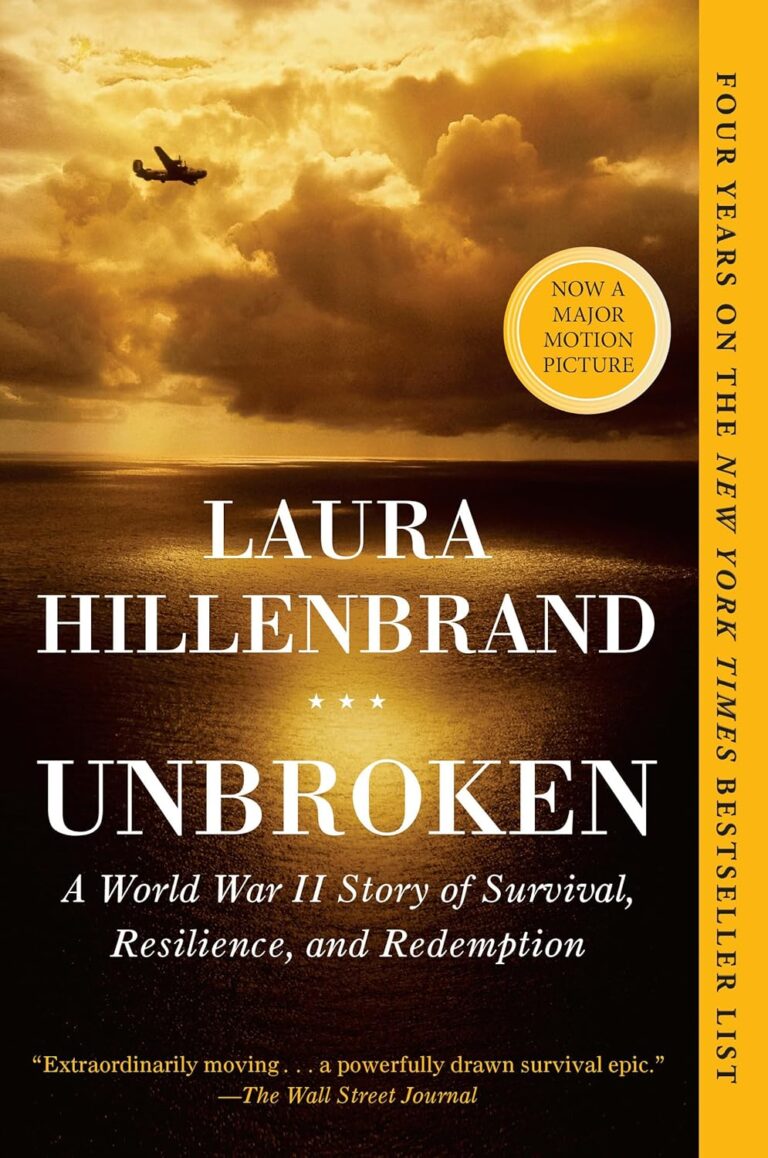
Unbroken: A World War II Story of Survival, Resilience, and Redemption
Unbroken: A World War II Story of Survival, Resilience, and Redemption 2010, Pages: 528 Genres Writer Laura Hillenbrand Characters Louie Zamperini, Russell Allen Phillips, Pete Zamperini An Olympic runner turned WWII bombardier survives a plane crash, 47 days at sea, and brutal torture as a POW, only to face his hardest battle at home: forgiving…
-
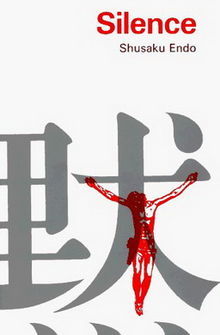
Silence
Silence 1966, Reading Time: 8-10h, Pages: 300 Genres Writer Shūsaku Endō Characters Sebastião Rodrigues, Cristóvão Ferreira, Kichijiro, Tokugawa Inoue Two 17th-century Jesuit priests journey to a Japan hostile to their faith to locate their missing mentor, only to face a test that questions the very nature of God’s presence in suffering. ☕Thus says AI: 89/100…
-
Apocalyptic | Books | Christian Fiction | Christianity | Dystopian | Fantasy | Fiction | Religion | Science Fiction | Suspense/Thriller
Left Behind: A Novel of the Earth’s Last Days
Left Behind: A Novel of the Earth’s Last Days 1995, 5h 21m Genres Authors Jerry B. Jenkins, Larry LaHaye “In the blink of an eye, millions vanished—now, the real nightmare begins for those who stayed.” ☕Our No Cap Review Left Behind in a Nutshell Left Behind is a 1995 novel by evangelical pastor Tim LaHaye and…
-
Books | Christian | Christian Living | Christian Non Fiction | Christianity | Evangelism | Faith | NonFiction | Religion
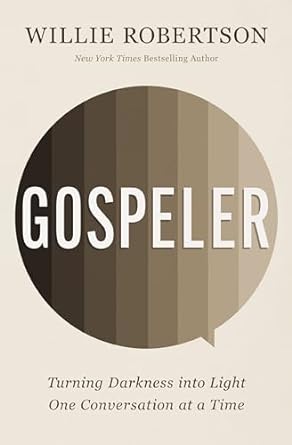
Gospeler
Gospeler: Turning Darkness into Light One Conversation at a Time Willie Robertson (author) A bold, heartfelt call to share the hope of Jesus through simple conversations that can change a life forever. Genres 224 pages, Paperback First published May 14, 2024 Our No Cap Review Plot Summary Gospeler is Willie Robertson’s personal and practical exploration…
-
Books | Business | Communication | Leadership | Management | NonFiction | Personal Development | Personal Growth | Psychology | Self Help
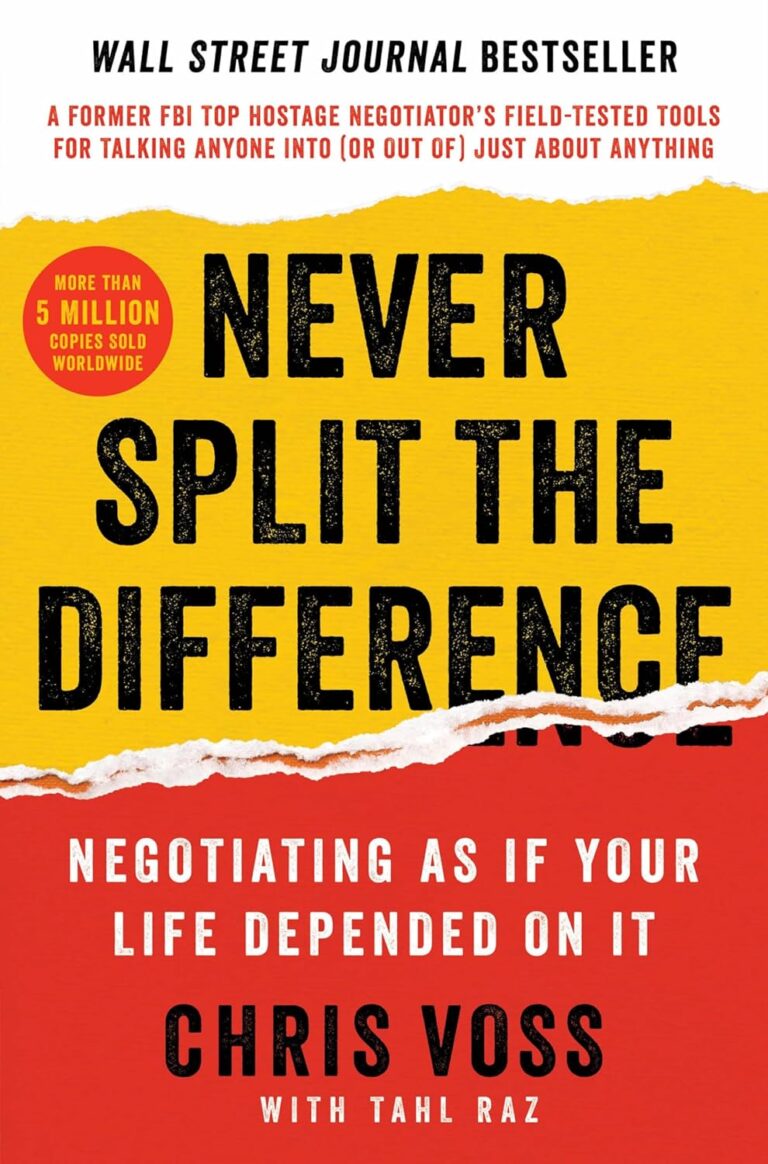
Never Split the Difference: Negotiating As If Your Life Depended on It
Never Split the Difference: Negotiating As If Your Life Depended on It Chris Voss (Author), Tahl Raz (co-author) Never Split the Difference is a bestselling negotiation book written by former FBI lead international hostage negotiator Chris Voss, with journalist Tahl Raz. Drawing from real high-stakes hostage scenarios, corporate negotiations, and cross-cultural conflict resolution, Voss presents…
-
The Hobbit
Middle-earth #0 The Hobbit, or There and Back Again J. R. R. Tolkein The Hobbit is a timeless fantasy adventure that follows Bilbo Baggins, a comfort-loving hobbit from the peaceful Shire, who is unexpectedly swept into a daring quest. When the wizard Gandalf arrives at his doorstep with thirteen determined dwarves led by Thorin Oakenshield,…

Explore Latest Movie Reviews
-
The King of Kings
The King of Kings The King of Kings | © 2025 Angel Studios Category None Light Moderate Heavy Profanity ✓ Violence & Gore ✓ Drug & Alcohol Use ✓ Explicit Content ✓ Spiritual Messaging ✓ 2025, 1h 41m Genres Director Seong-ho Jang Writers Seong-ho Jang, Rob Edwards Stars Oscar Isaac, Kenneth Branagh, Uma Thurman, Pierce…
-
Amazing Grace
Amazing Grace 2006, PG, 2h Genres Director Michael Apted Writers Steven Knight Stars Ioan Gruffudd, Albert Finney, Michael Gambon The idealist William Wilberforce maneuvers his way through Parliament in 19th-century England, endeavoring to end the British transatlantic slave trade. Amazing Grace: When Faith Fuels Revolution A Christian Review of the 2006 Biographical Drama 📊 Rating…
-
War Room
War Room 2015, PG, 2h Genres Director Alex Kendrick Writers Alex Kendrick, Stephen Kendrick Stars Priscilla C. Shirer, T.C. Stallings, Karen Abercrombie With her marriage on the brink of collapse, a woman discovers that she can only win the battle for her home by surrendering the fight to God in her “war room.” Is War…
-
Sound of Hope: The Story of Possum Trot
Sound of Hope: The Story of Possum Trot 2024, PG-13, 2h 10m Genres Director Joshua Weigel Writers Joshua Weigel, Rebekah Weigel Stars Nika King, Demetrius Grosse, Elizabeth Mitchell Inspired by a true story, a rural East Texas pastor and his wife ignite a movement within their small church to adopt 77 of the most difficult-to-place…
-
God’s Not Dead 2
God’s Not Dead 2 2016, PG, 2h Genres Director Harold Cronk Writers Chuck Konzelman, Cary Solomon Stars Melissa Joan Hart, Jesse Metcalfe, David A.R. White When a public high school teacher is sued for answering a student’s question about Jesus, she must fight in court to save her career and defend the right to speak…
-
God’s Not Dead
God’s Not Dead 2014, PG, 1h 53m Genres Director Harold Cronk Writers Hunter Dennis, Chuck Konzelman, Cary Solomon Stars Shane Harper, Kevin Sorbo, David A.R. White A devout Christian student must prove God’s existence in a series of debates against his atheist philosophy professor to save his grade and stand up for his faith. ☕Thus…